- Home
- Our Work
- Stirling's Story
- Blog
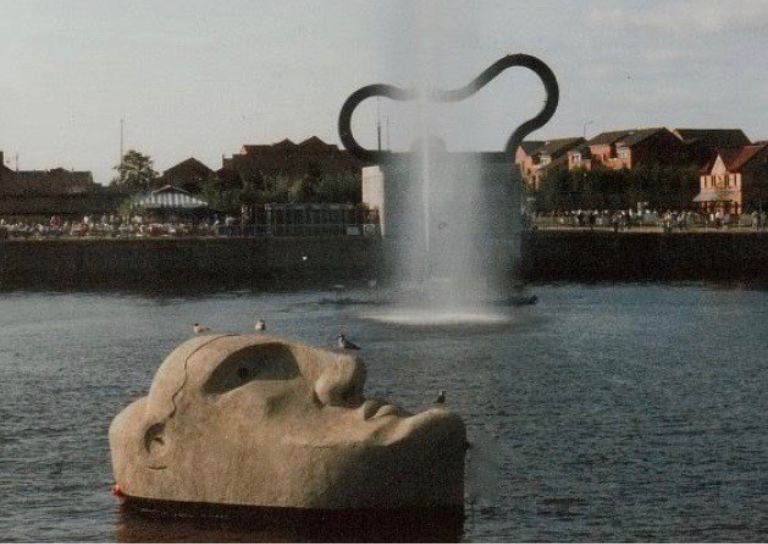
- Floating Head Sculpture at Garden Glasgow Festival 1988
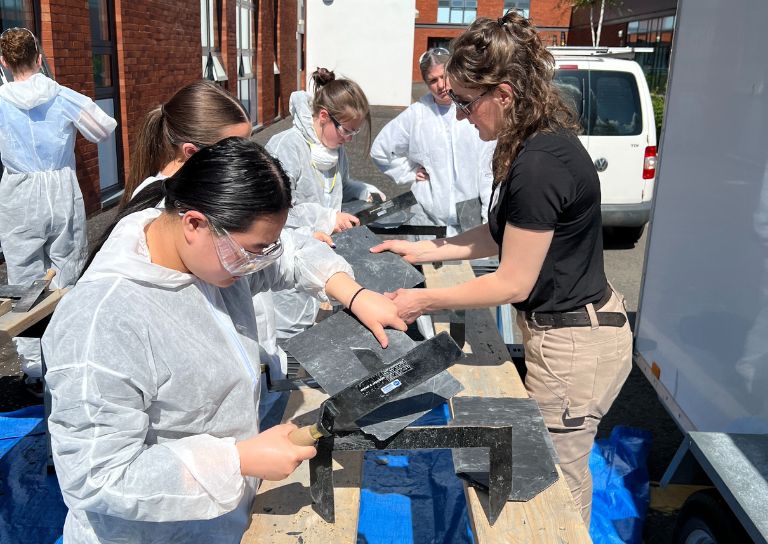
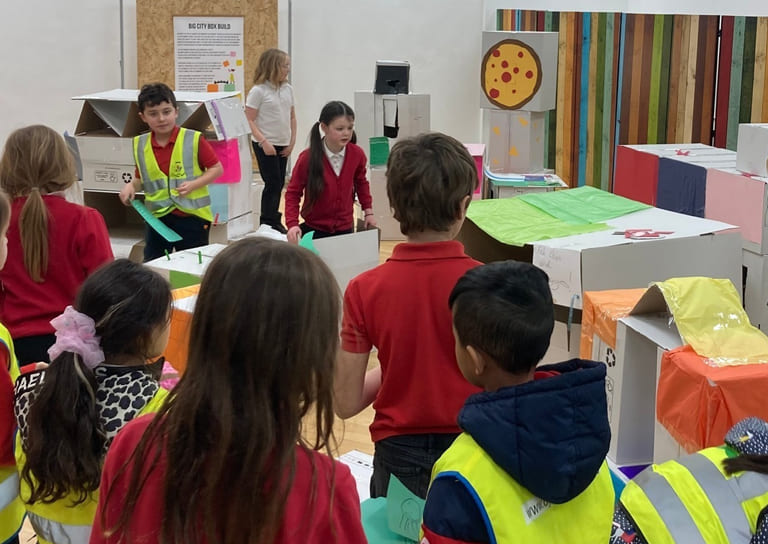
- Inspiring the Future: Stirling City Heritage Trust's Women in Construction Event at Wallace High
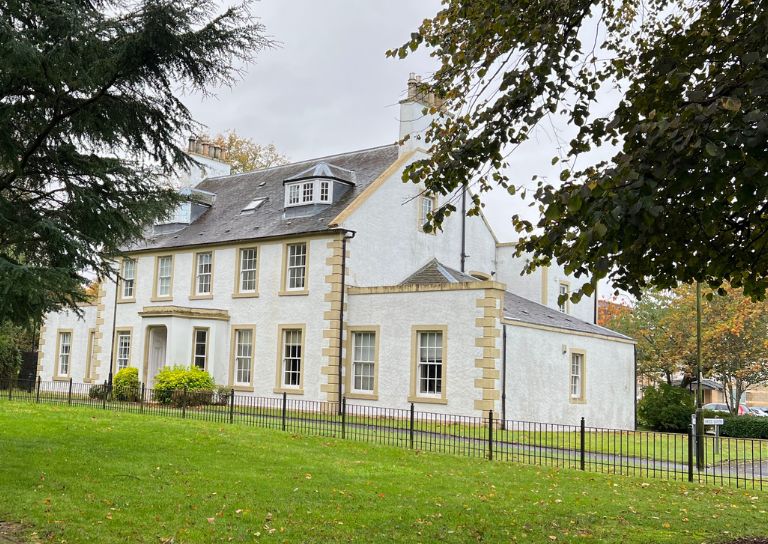
- Beechwood House and the Transatlantic Slave Trade
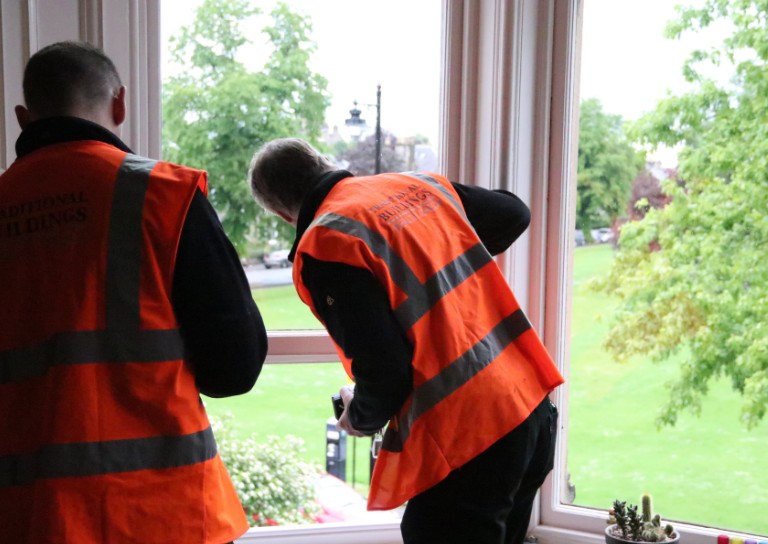
- New Retrofit Service now available for Traditional Buildings Health Check Members
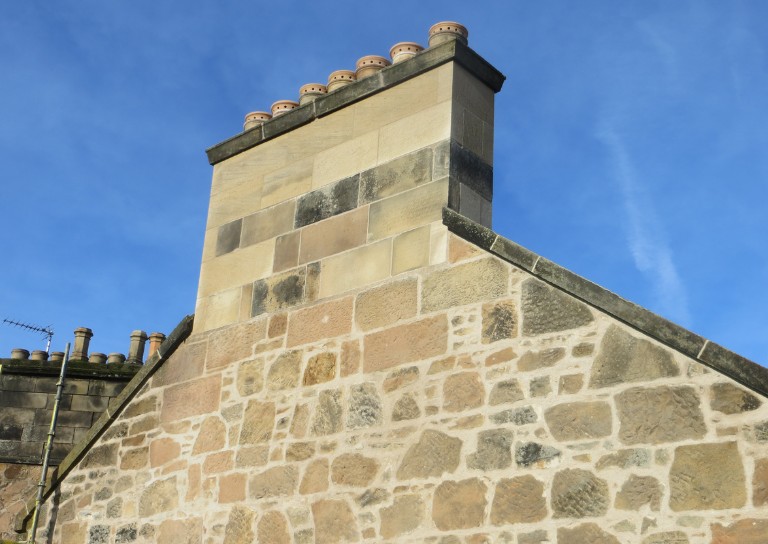
- Retrofitting Traditional Buildings: Chimneys
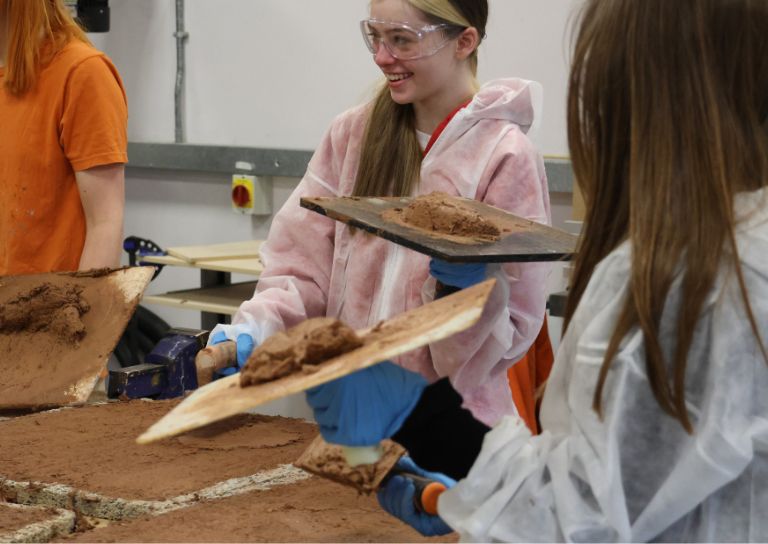
- SCHT 20: Championing Women in Construction
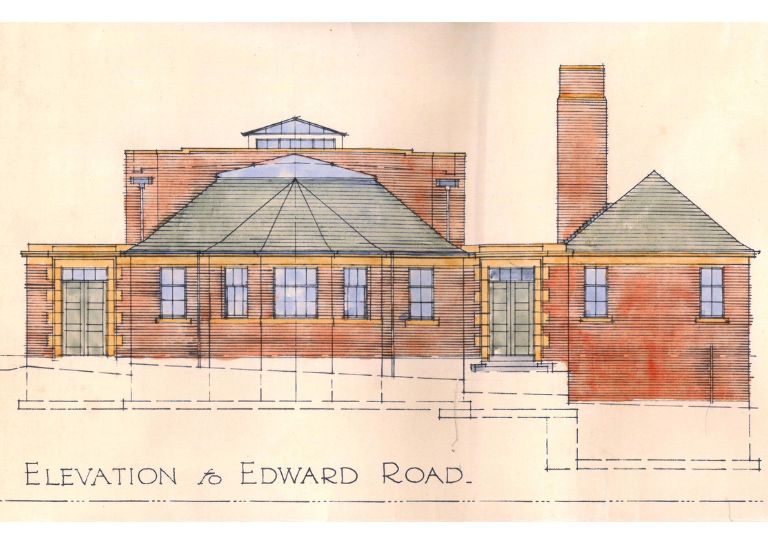
- Stirling's Lost Swimming Pools
- Women in Construction at Bannockburn House
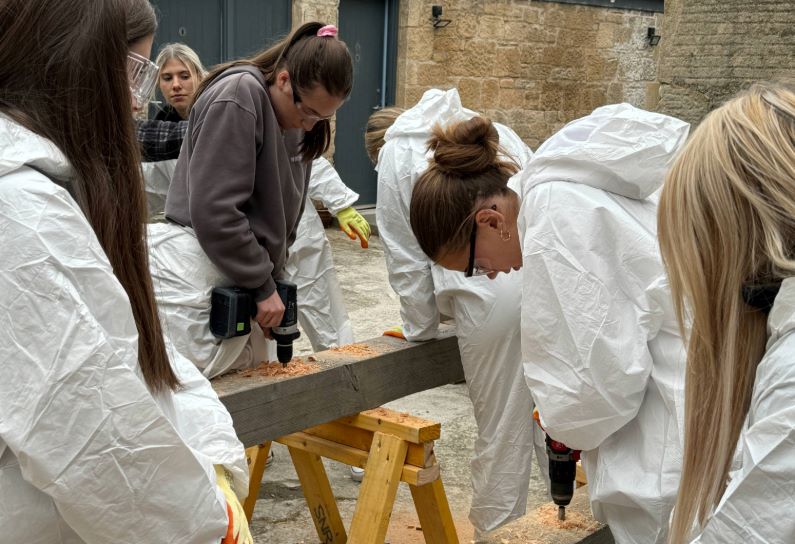
- Avenues to the Past: Stirling’s Historic Streets Exhibition
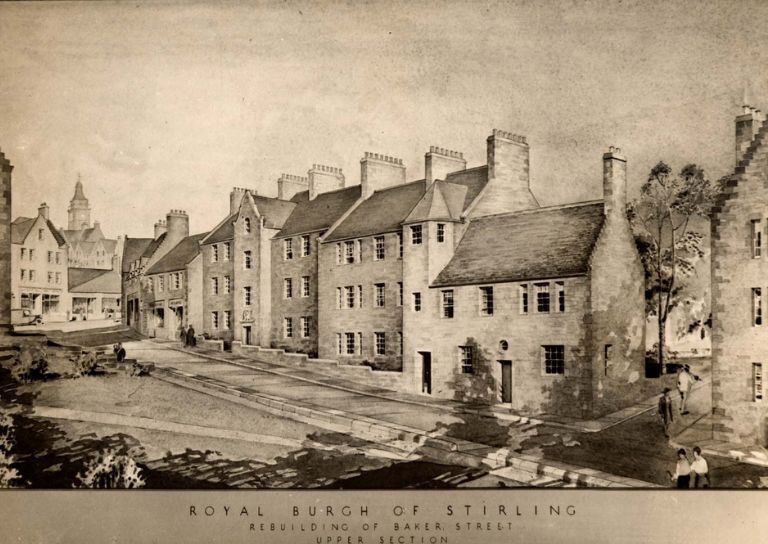
- The story behind Paisley Abbey’s Alien gargoyle
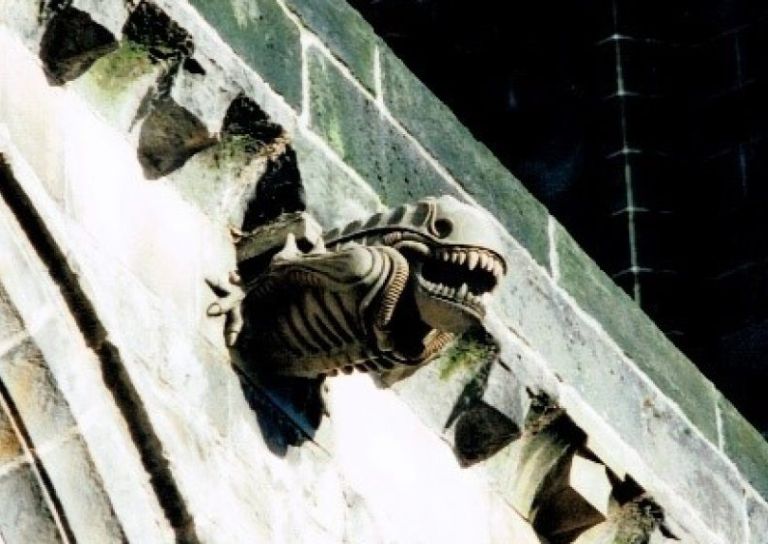
- Doors Open Days Talk: Who Built Stirling?
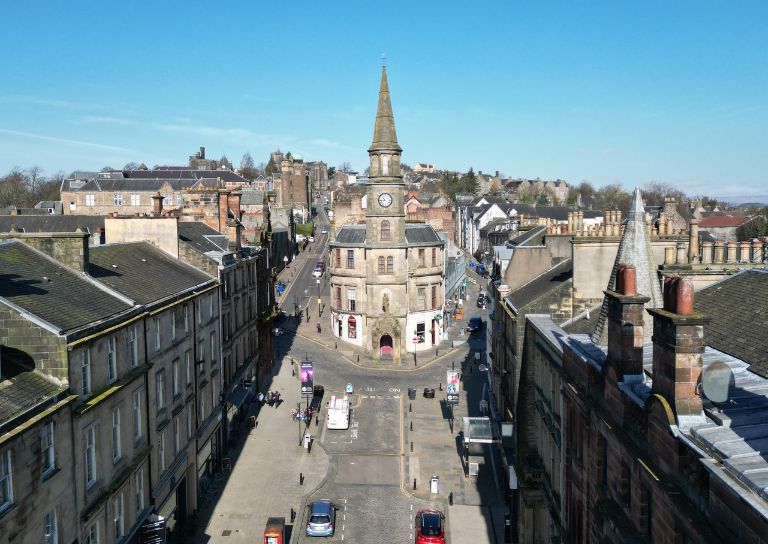
- Retrofitting Traditional Buildings
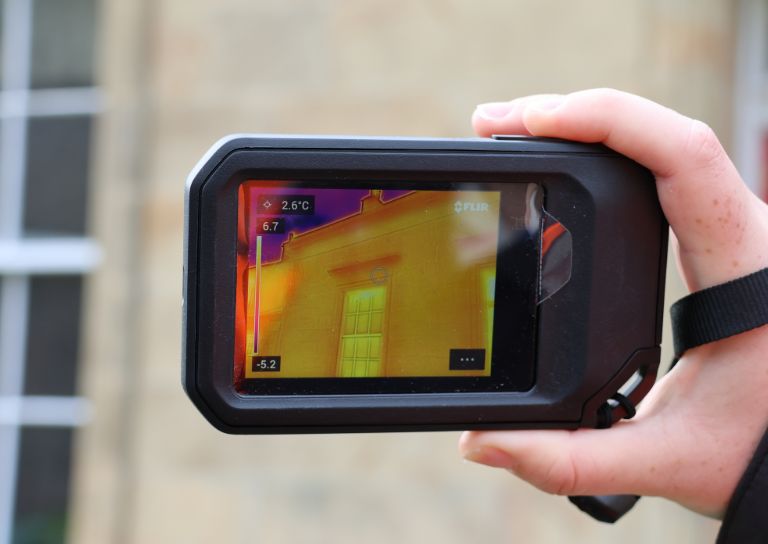
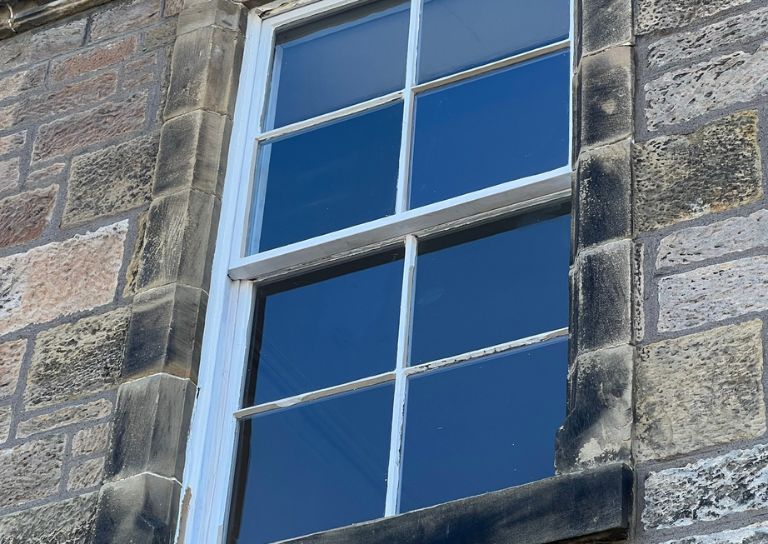
- Retrofitting Traditional Buildings: Windows
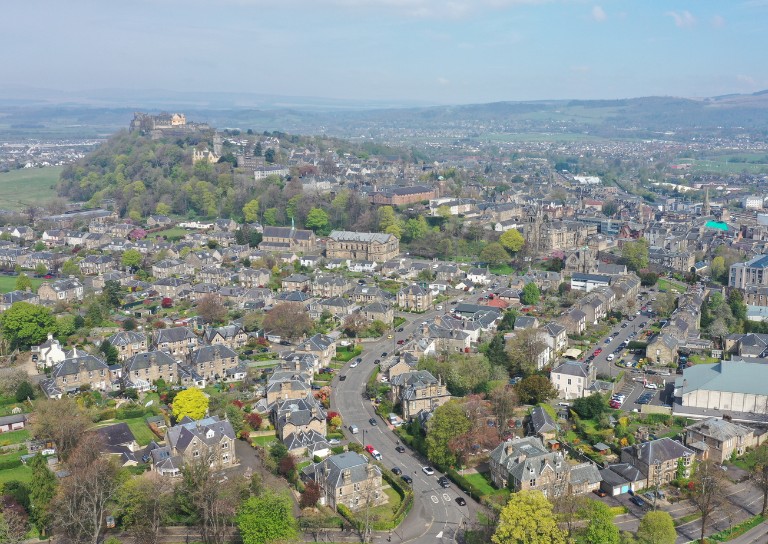
- Statement on Langgarth House
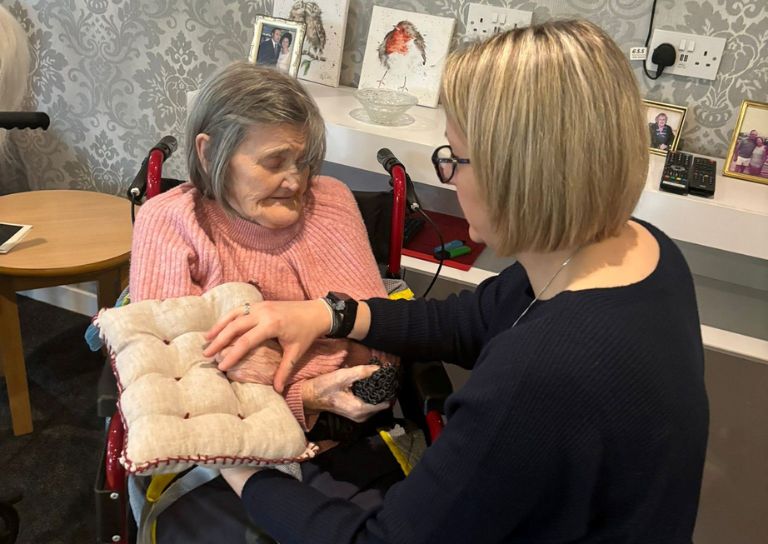
- Guest Blog: Dementia Friendly Heritage Interpretation
- SCHT Grant Conditions: Owners Associations
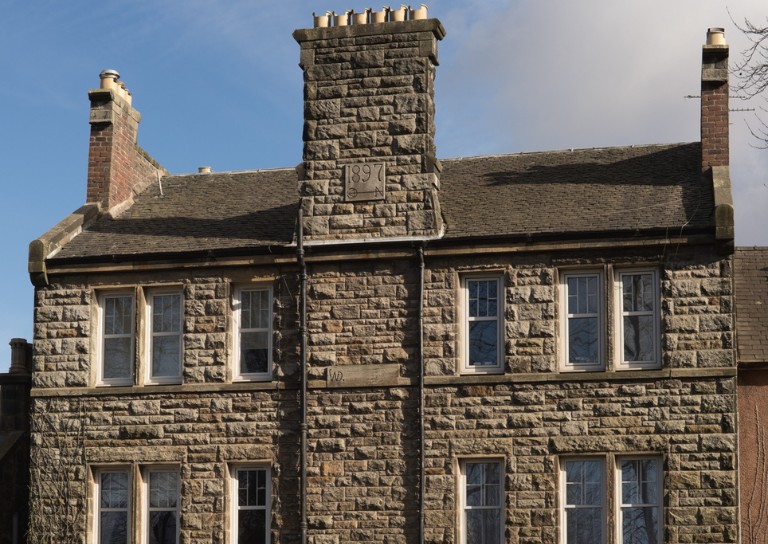
- Stirling Business Awards 2025

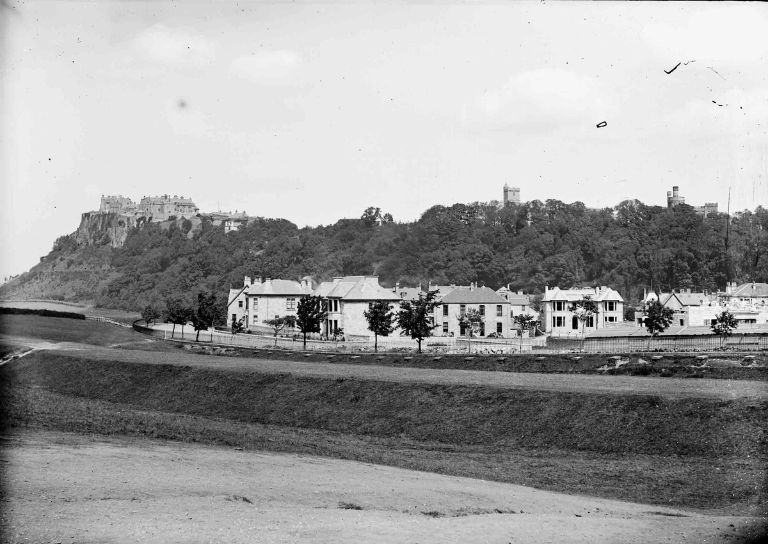
- What is a Conservation Area
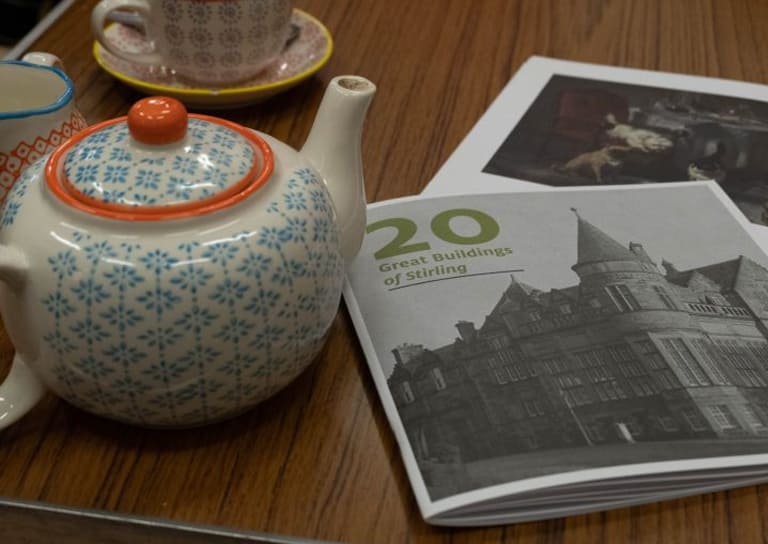
- 20 Great Buildings of Stirling
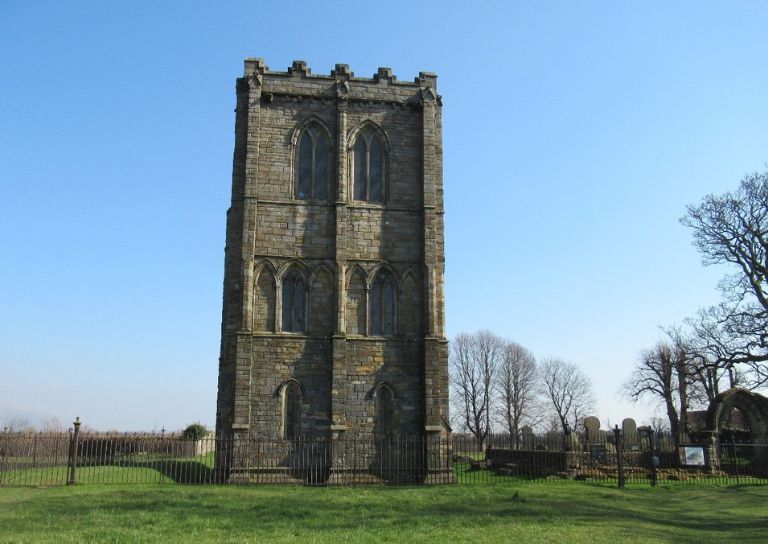
- Cambuskenneth Abbey
- 10 Years of the Traditional Buildings Health Check
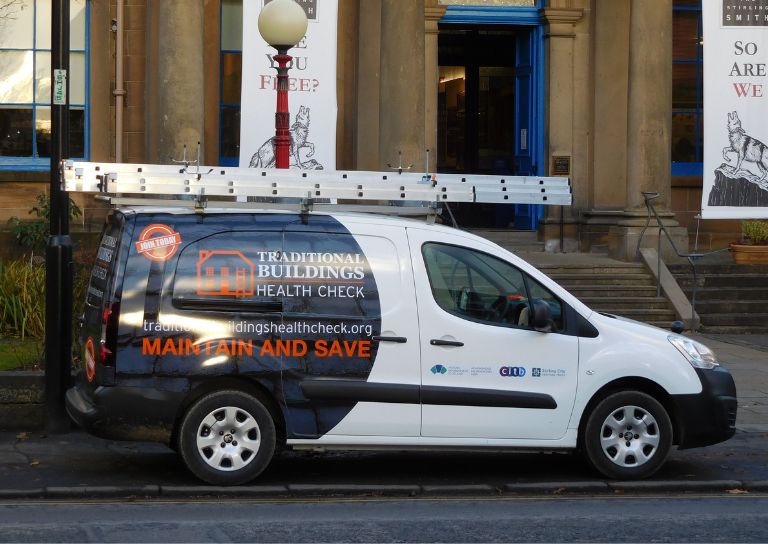
- Building Resilience: Maintaining Traditional Buildings
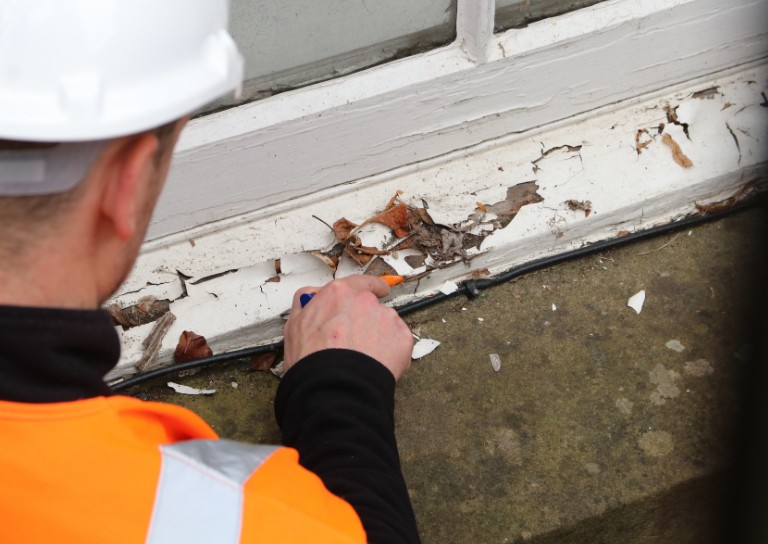
- Architects and The Thistle Property Trust
- World Heritage Day: Exploring Hayford Mill
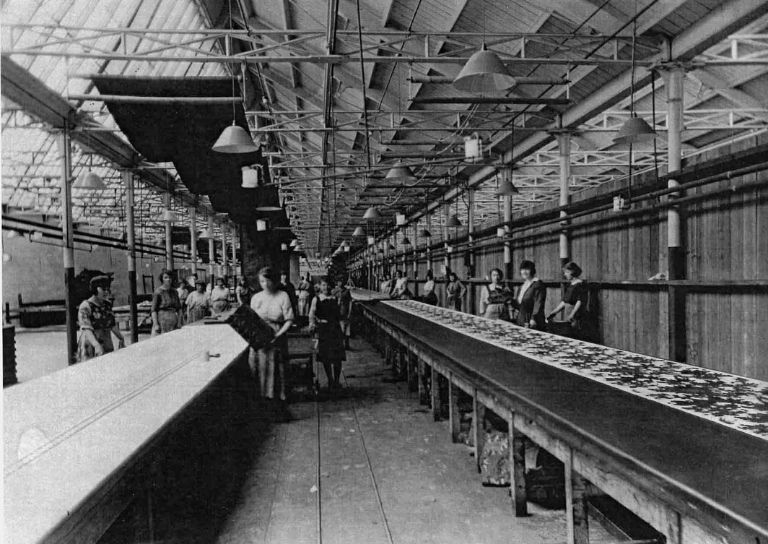
- Community Consultation launched for Stirling’s Heritage Strategy
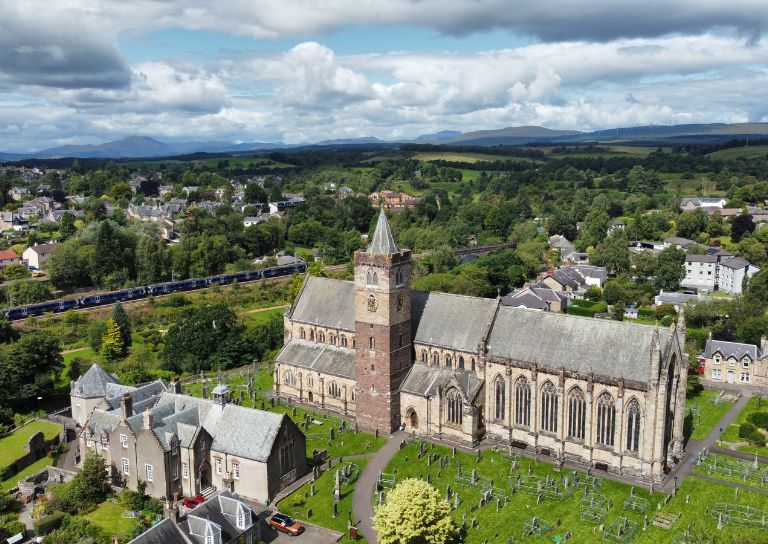
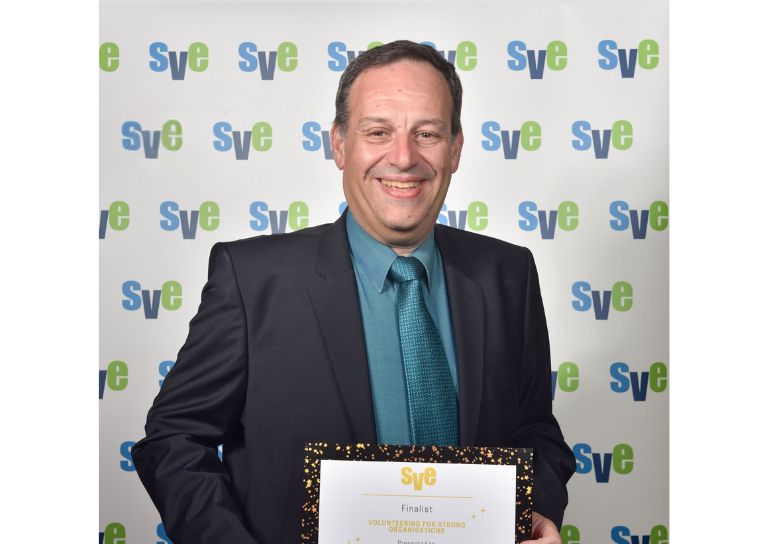
- SVE Inspire Awards September 2024
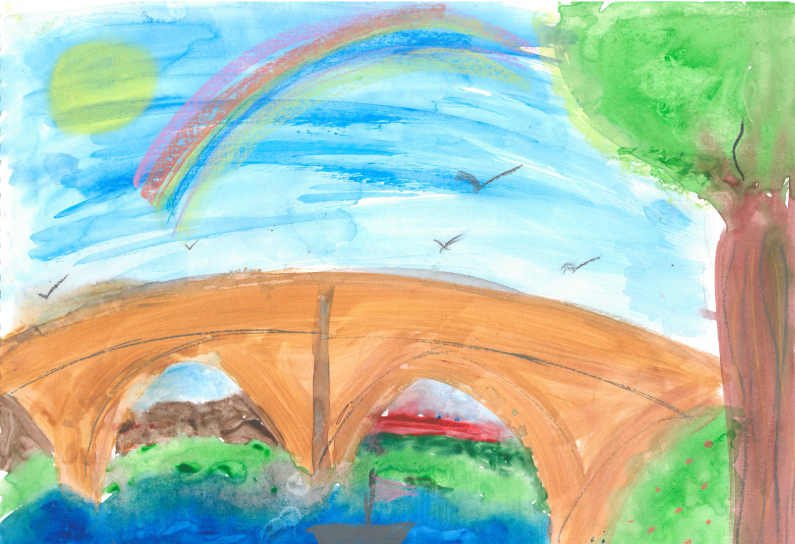
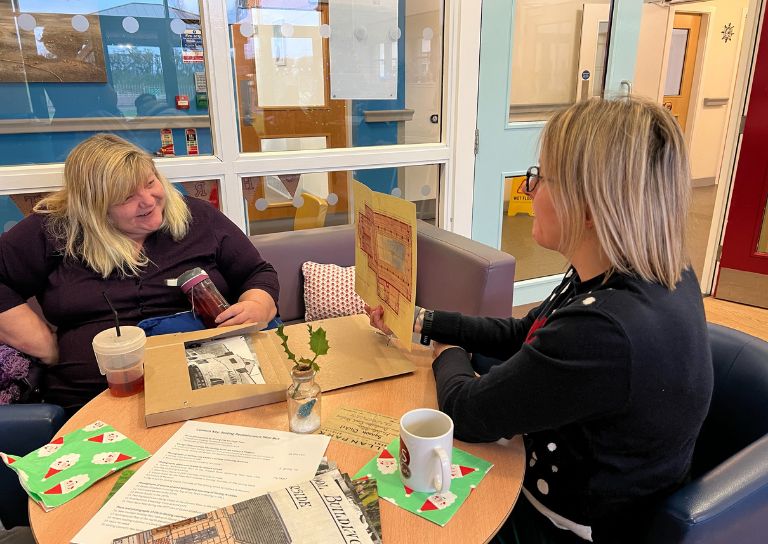
- Reminiscence Art Project
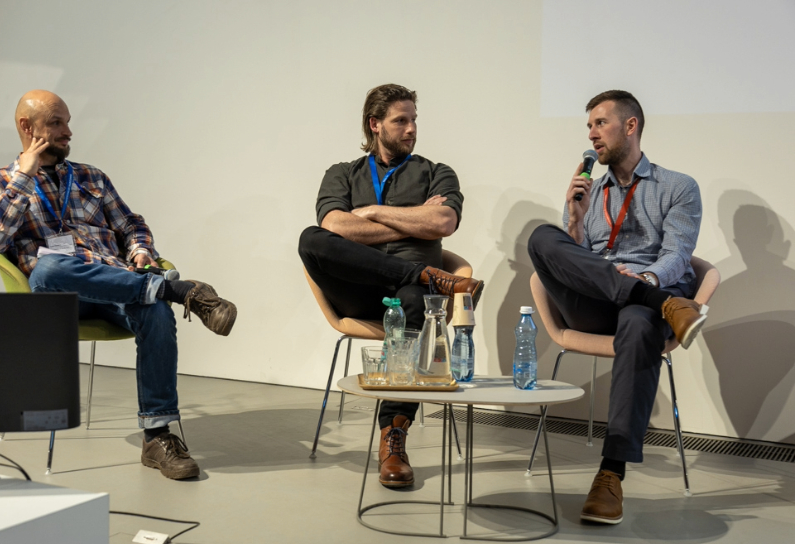
- On the European Stage: Preserving by Maintaining conference, Bratislava
- The Abolition Movement in Stirling
- Stirling City Heritage Trust Publications
- Growing up in Stirling: A Night of Reminiscence at The Smith
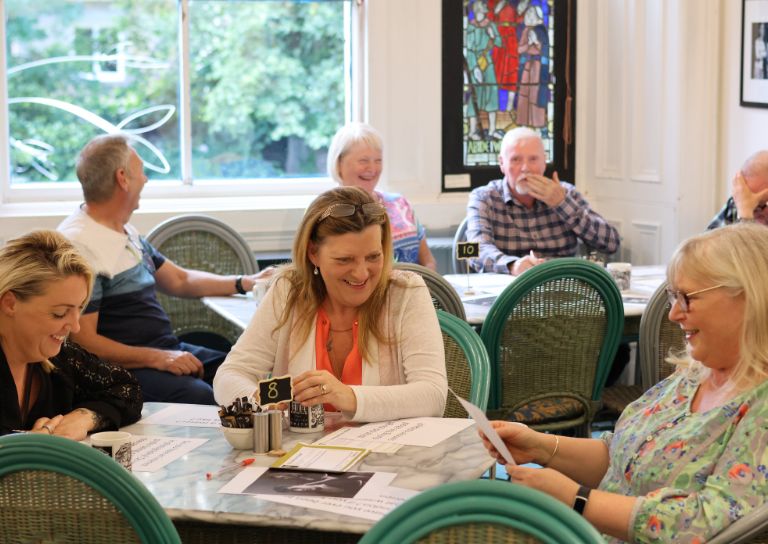
- Shopping Arcades
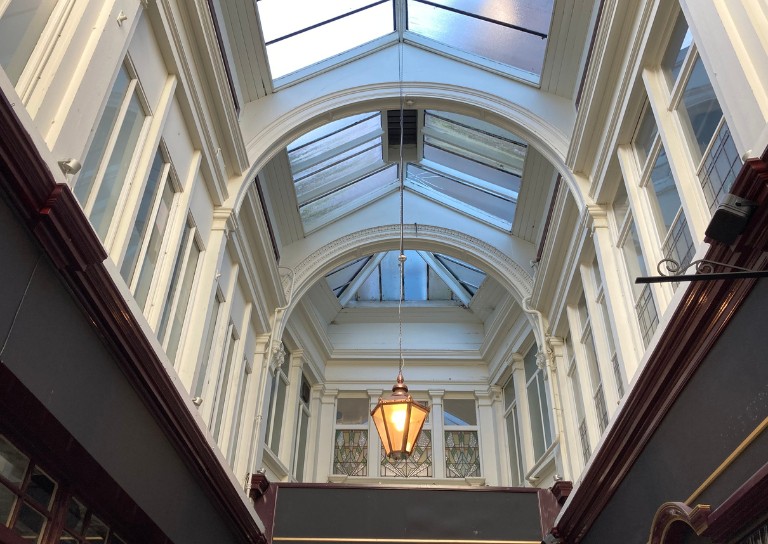
- Retrofitting Traditional Buildings: Insulation
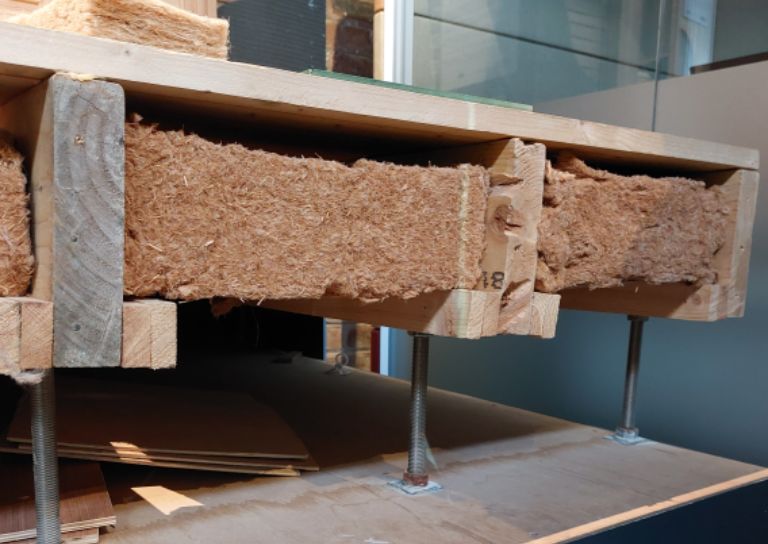
- Retrofitting Traditional Buildings: Climatic Adaptation
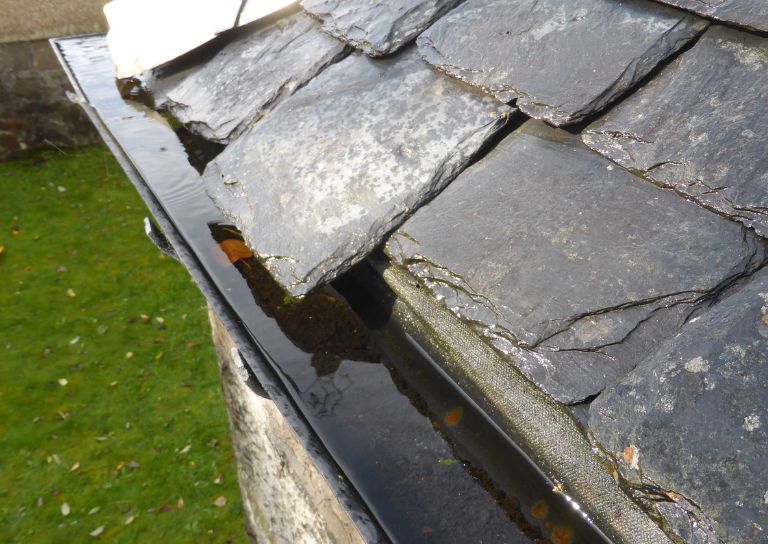
- Kings, Wolves and Drones: 20 years of care and repair at Stirling City Heritage Trust
- Practical Workshop on Retrofitting Insulation with A. Proctor Group
- Marking the 80th anniversary of VE Day
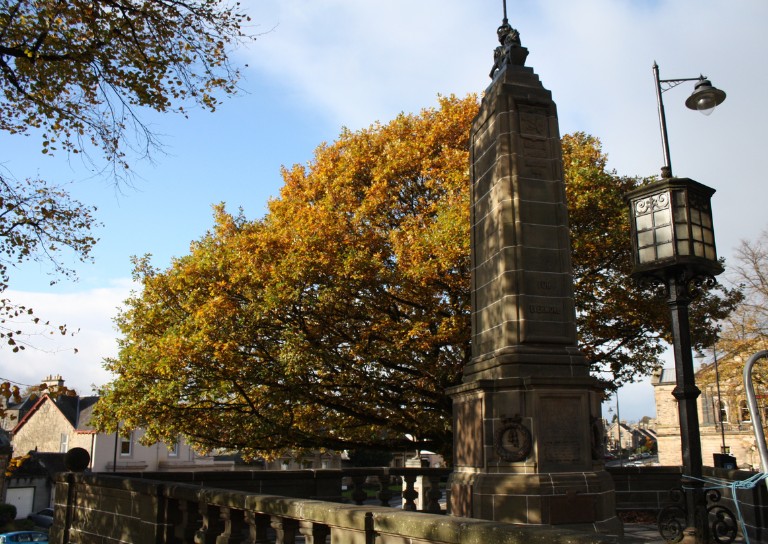
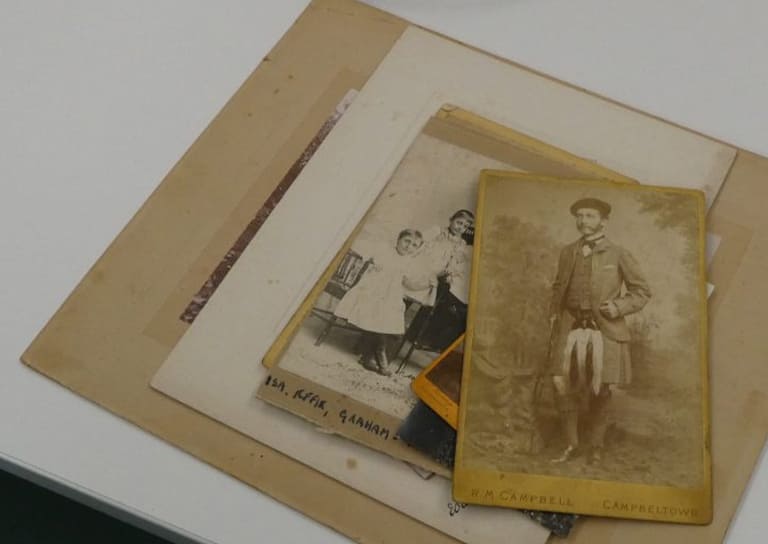
- Walker Family Visit
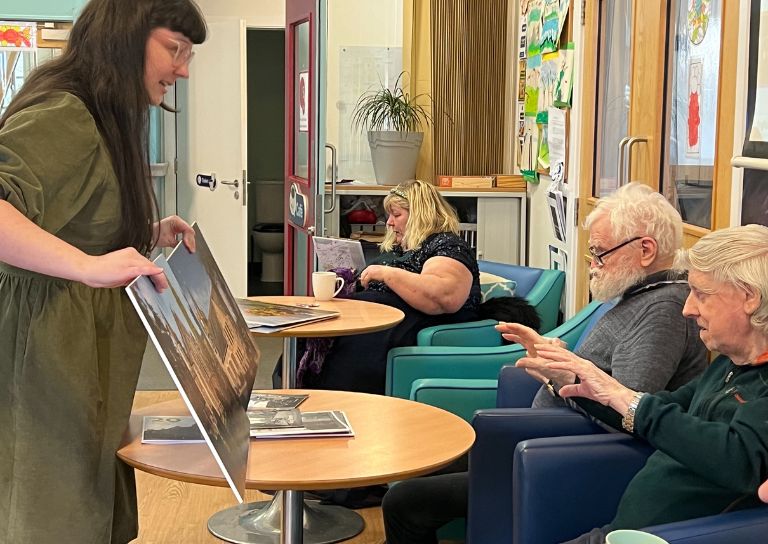
- Sharing Memories: Taking '20 Great Buildings of Stirling' into the community
- SCHT visit to Brucefield Estate, Forestmill, Clackmannanshire
- Retrofitting Traditional Buildings: Fabric First
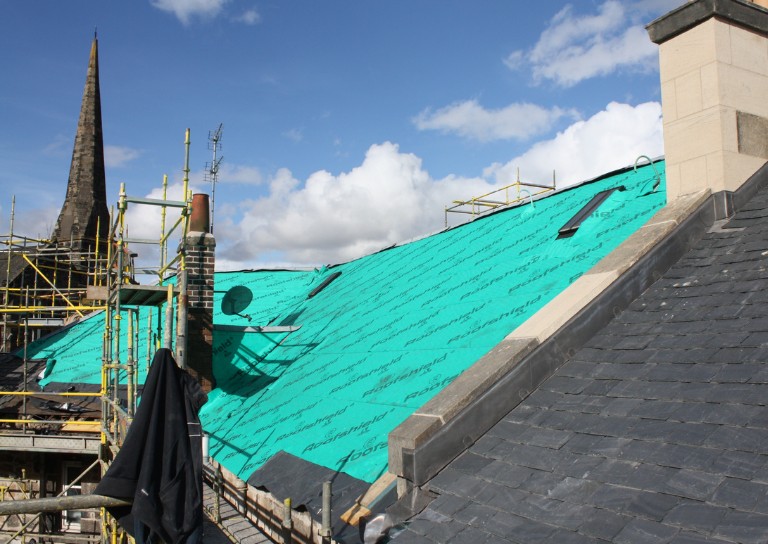
- Supporting traditional building repair in Stirling
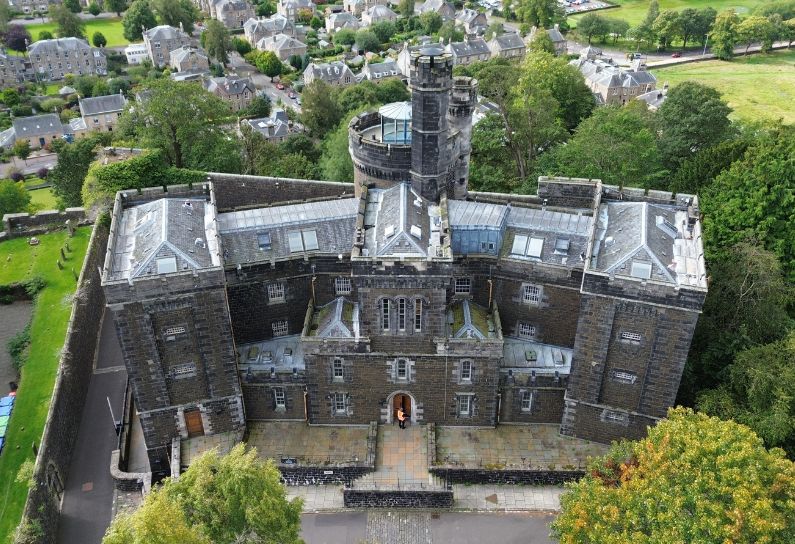
- Stirling's Historic Jails
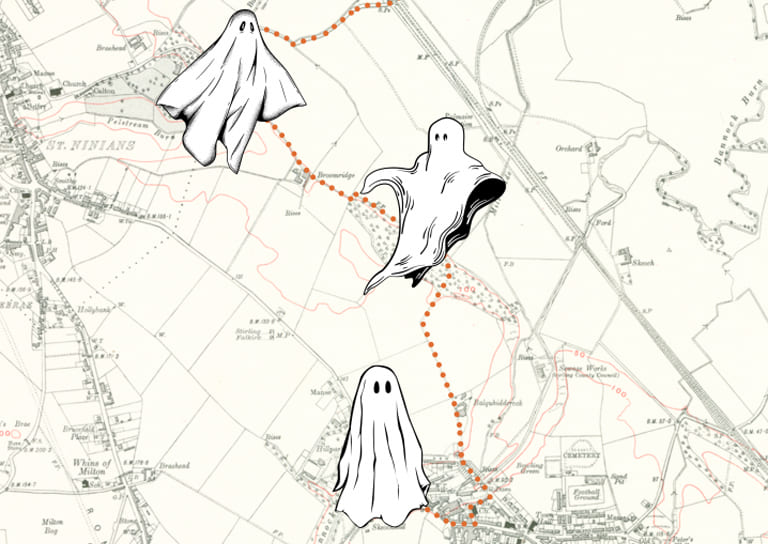
- Ghost Tales from Stirling
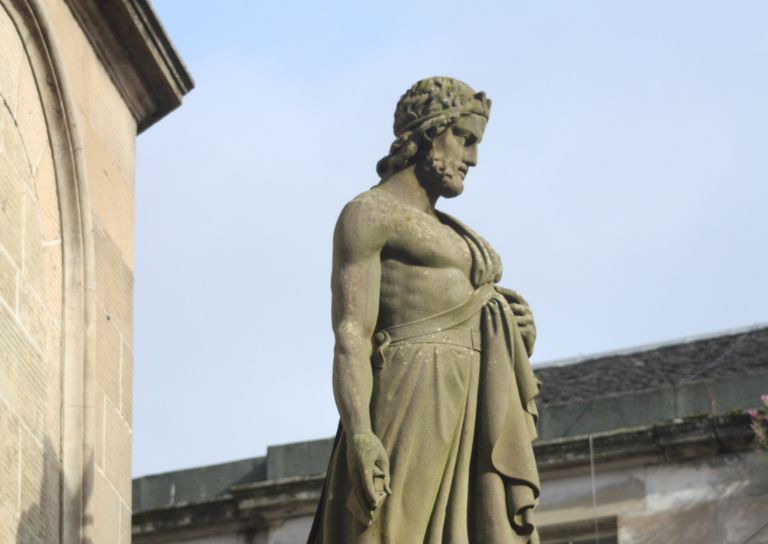
- William Wallace Statues In Stirling
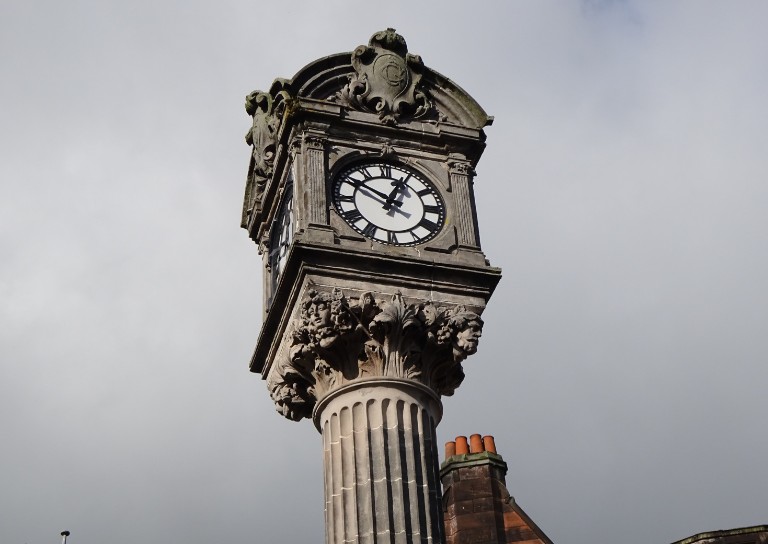
- Statement on Christie Clock
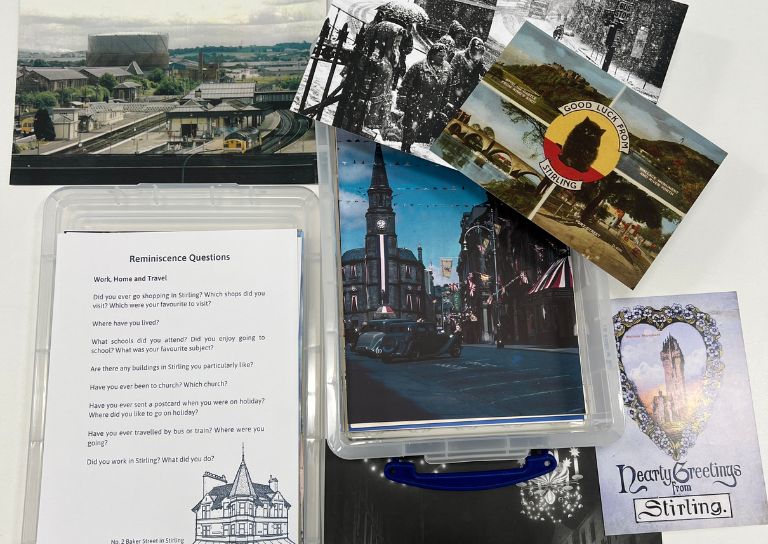
- Stirling Reminiscence Box
- Stirling City Heritage Trust at 20

- Retrofit Event: Meet the Suppliers
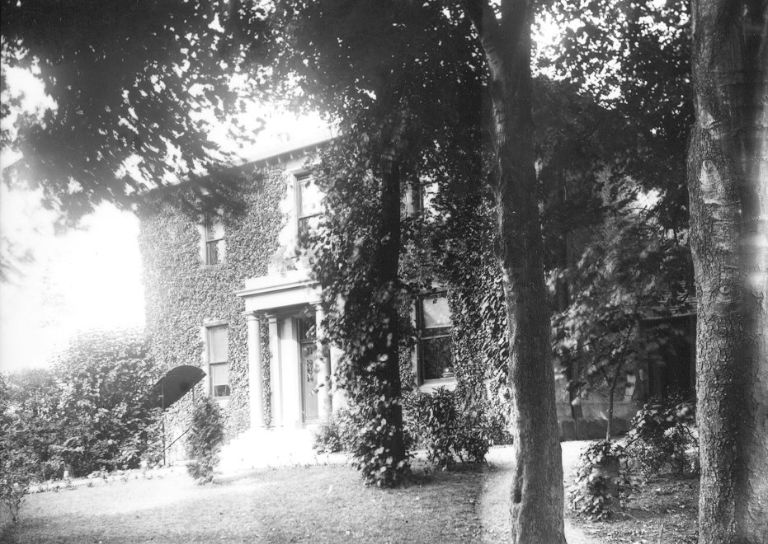
- Snowdon House and The West Indies
- Coronations and Royal Christenings in Stirling
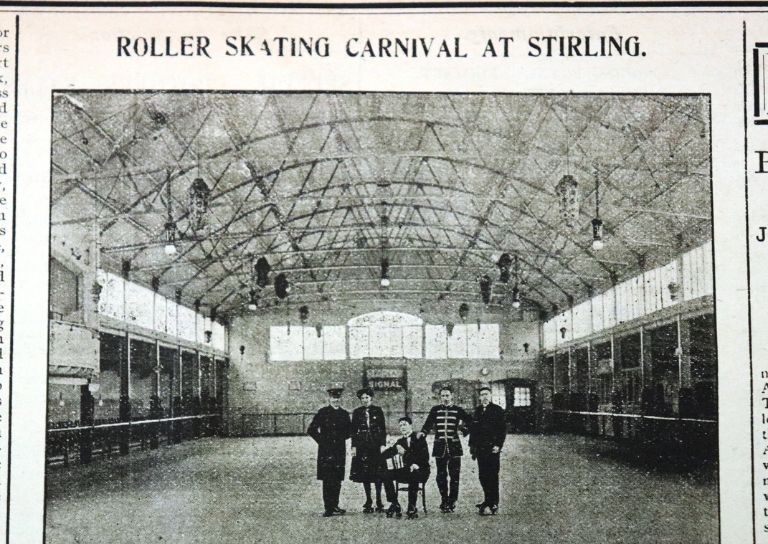
- Stirling’s Lost Skating Heritage
- Miss Curror and the Thistle Property Trust
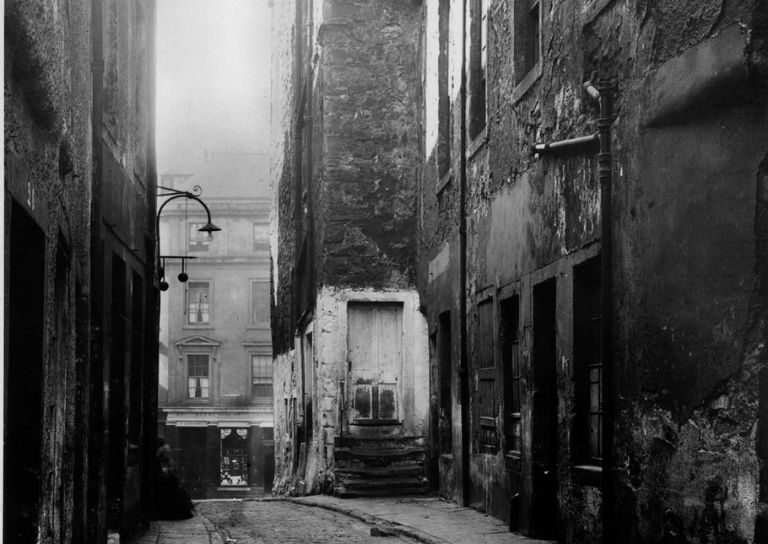
- Dr Lindsay Lennie retires from Stirling City Heritage Trust
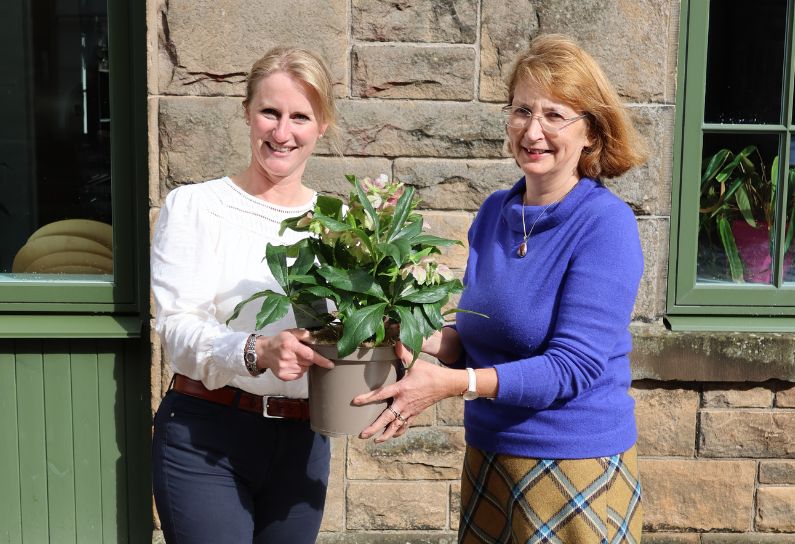
- Stirling’s Streetscape Stories: Photography Workshop
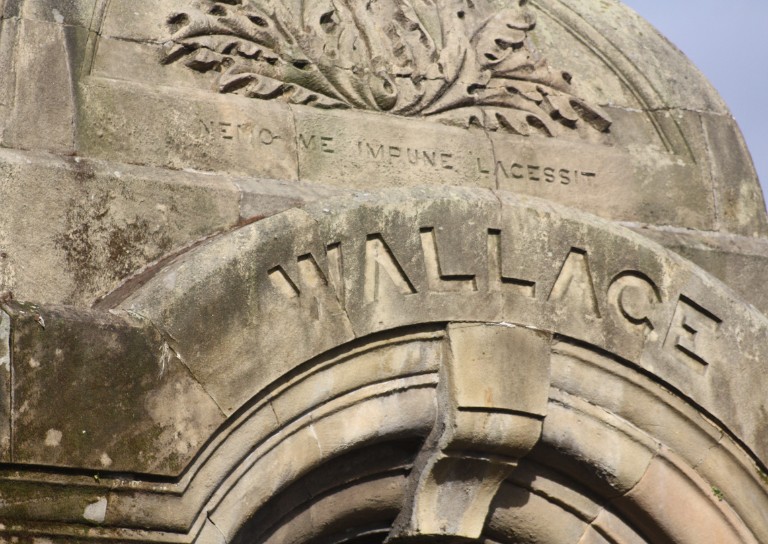
- The development of King's Park
- Level 3 Award in Energy Efficiency for Older and Traditional Buildings Retrofit Course (2 Day)
- Stirling's Heritage Treasures
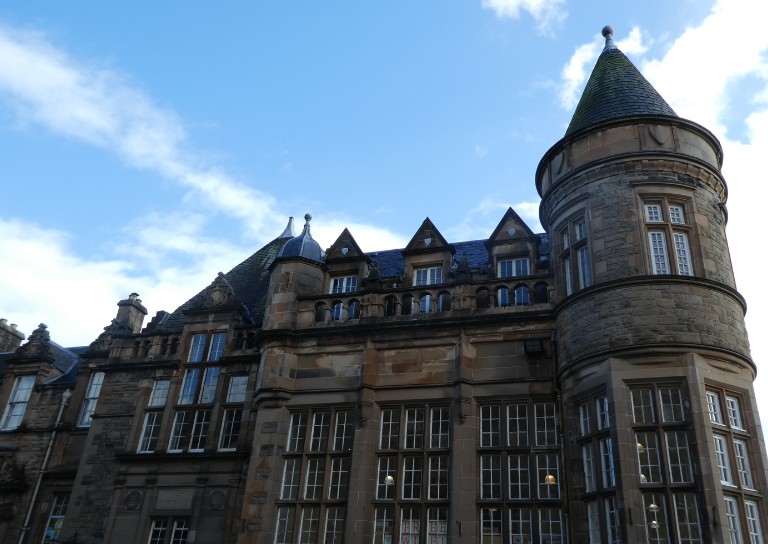
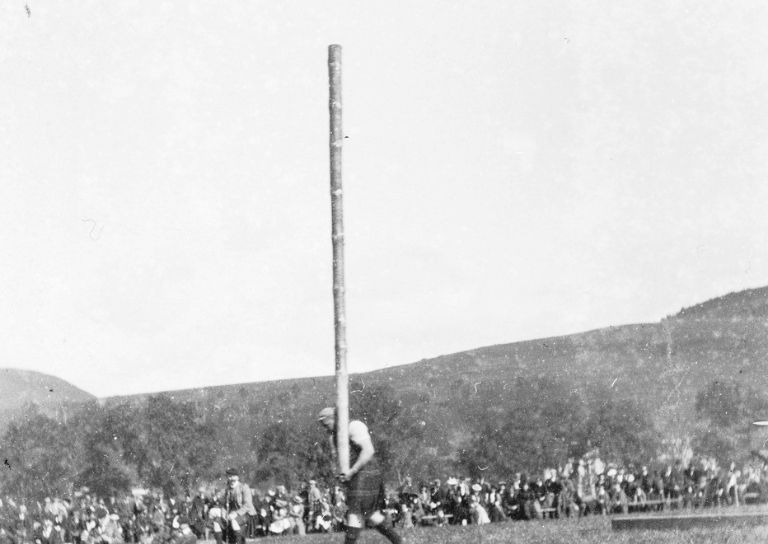
- Stirlingshire’s Highland Games
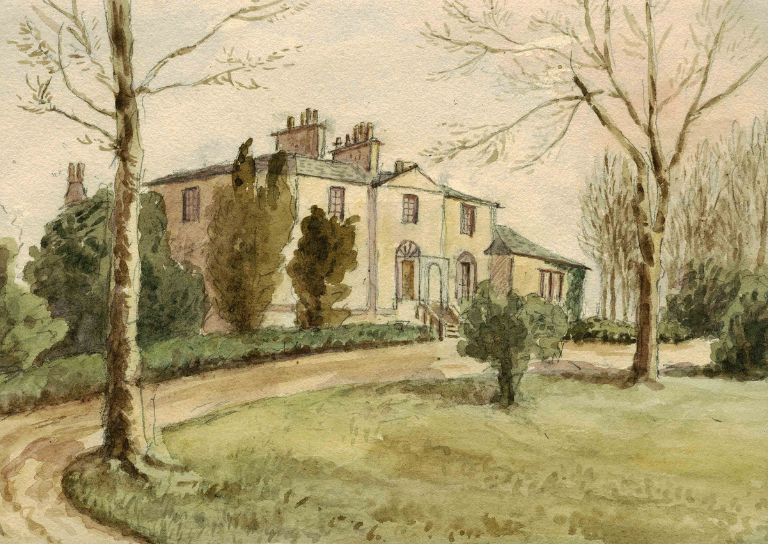
- Laurelhill House and the West Indies
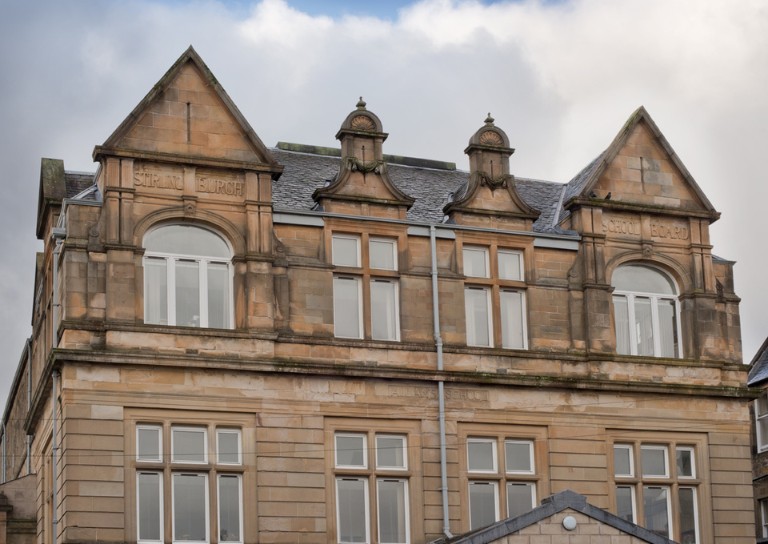
- Stirling’s Historic Schools
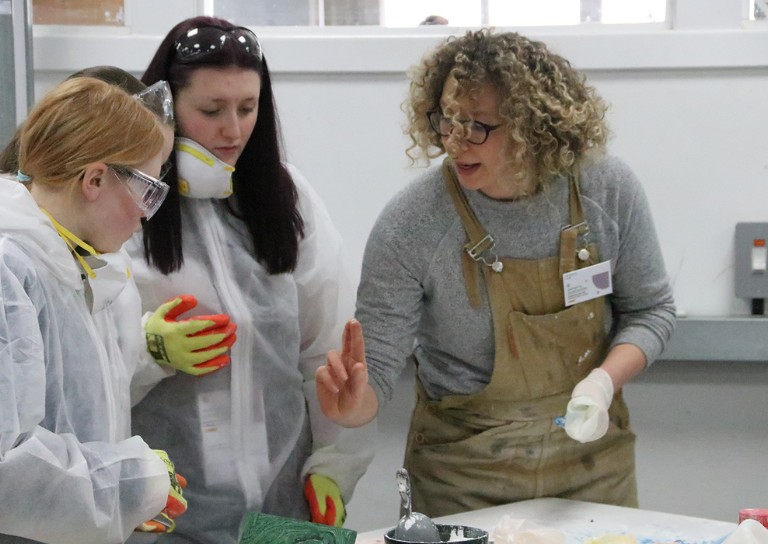
- Creative careers in the heritage sector
- Energy efficiency project awarded grant from Shared Prosperity Fund
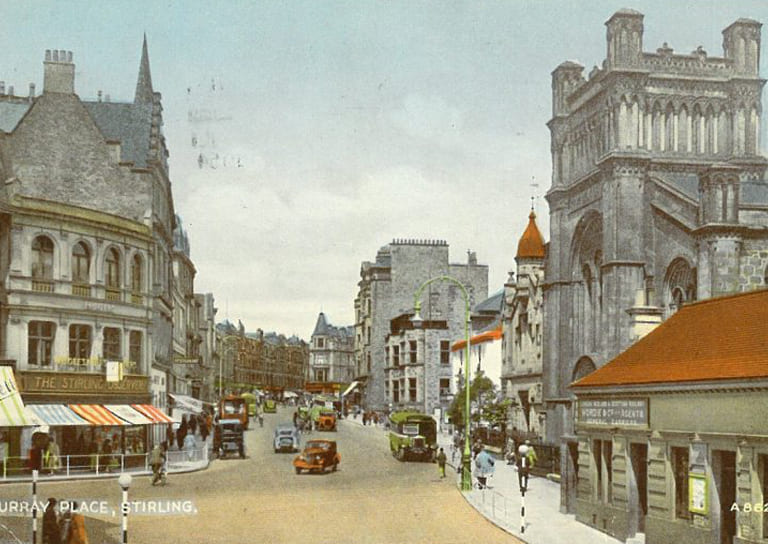
- Postcards From Stirling
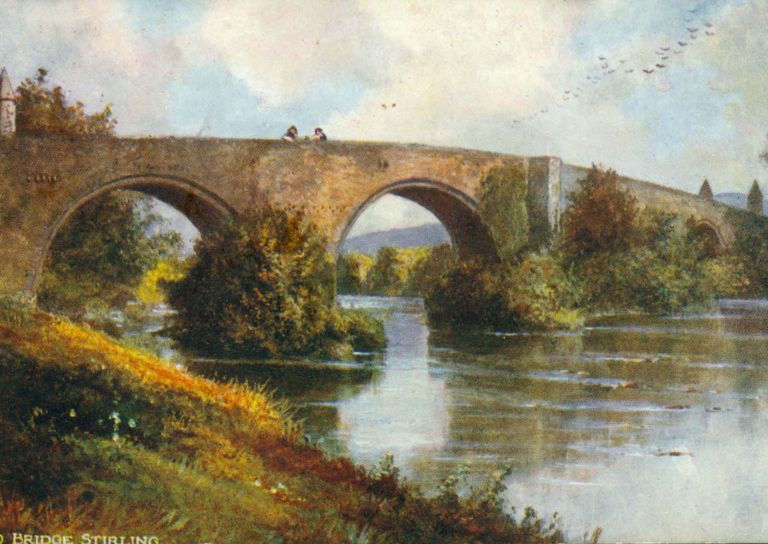
- Stirling’s Gala Days
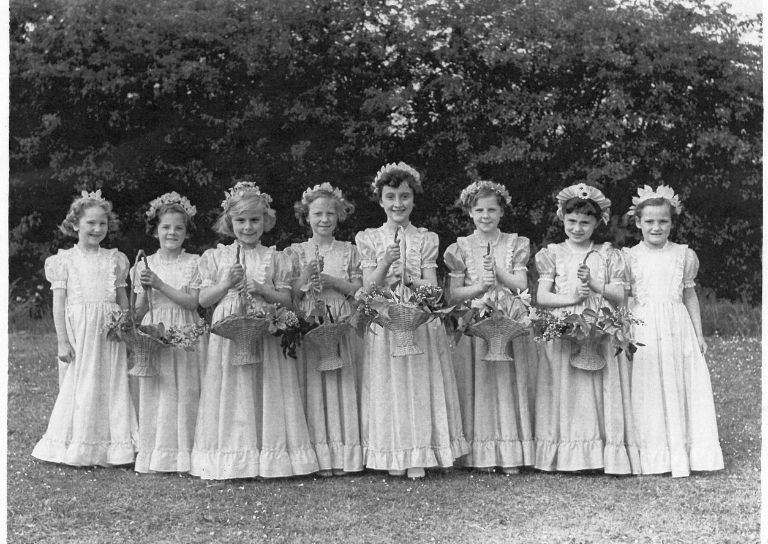
- Building Surveying Student Intern at Stirling City Heritage Trust
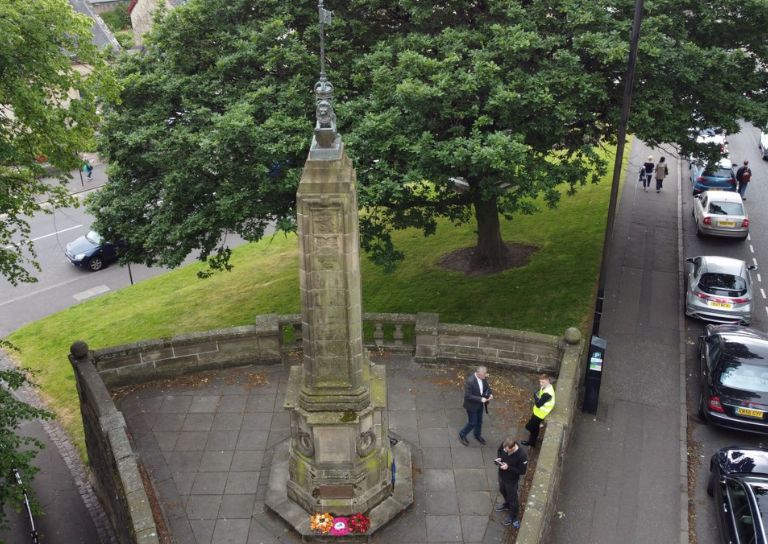
- Heritage Trail: Stirling Walks
- Local History Resources
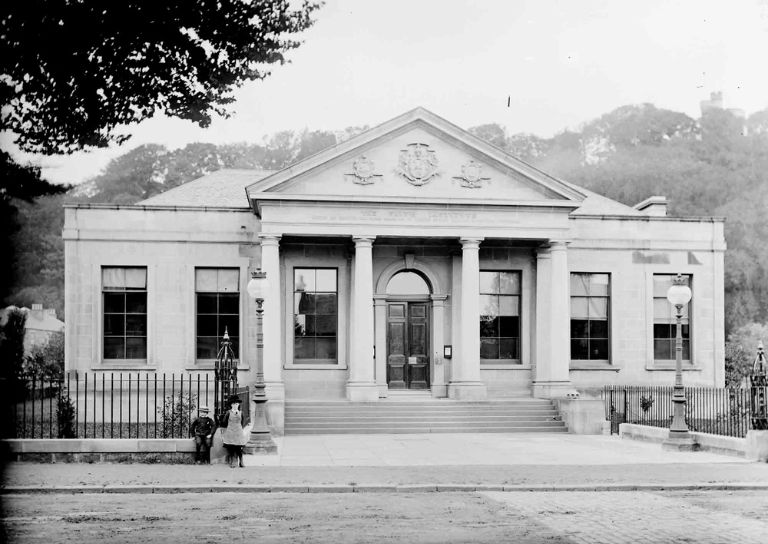
- Stirling Through the Decades
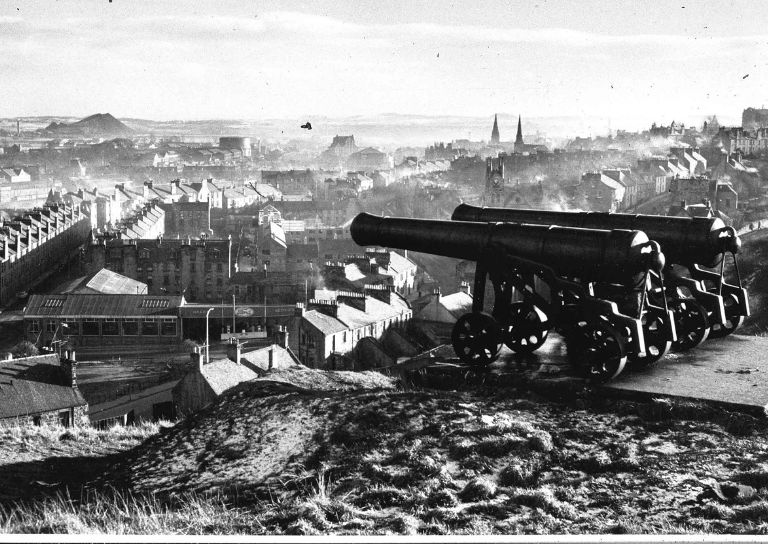
- Stirling’s STEM Pioneers
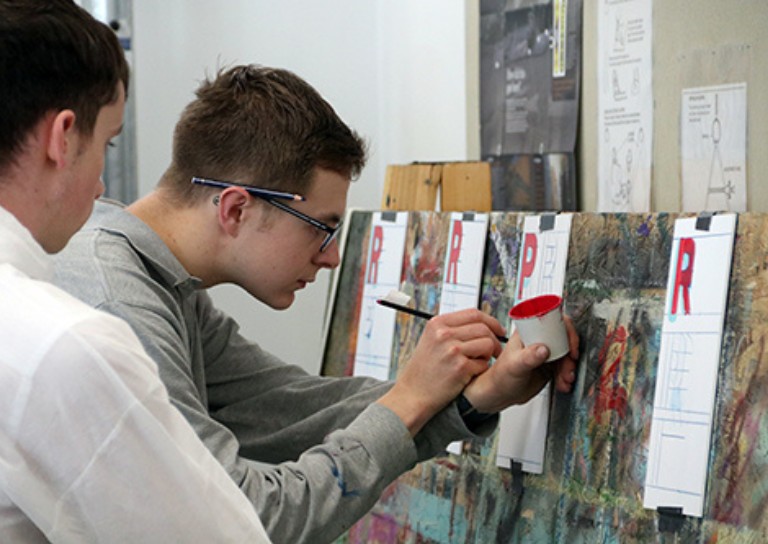
- Traditional Skills: Signwriting
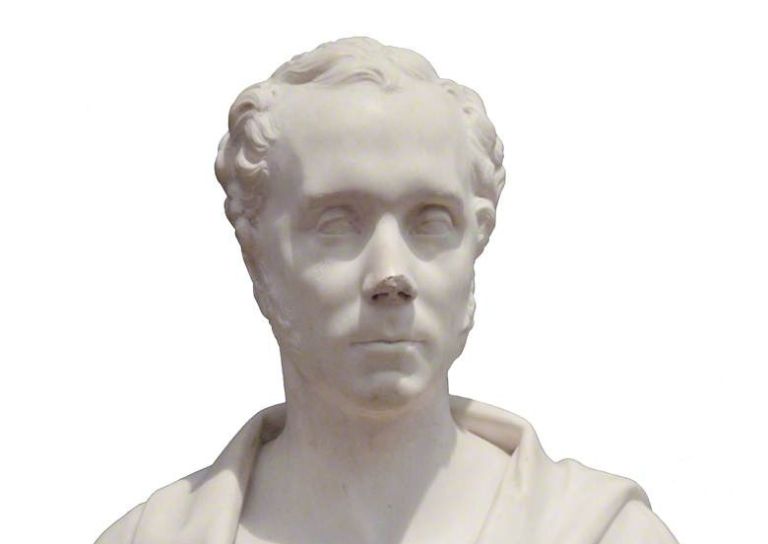
- Christian MacLagan, a pioneering lady, but born too soon?
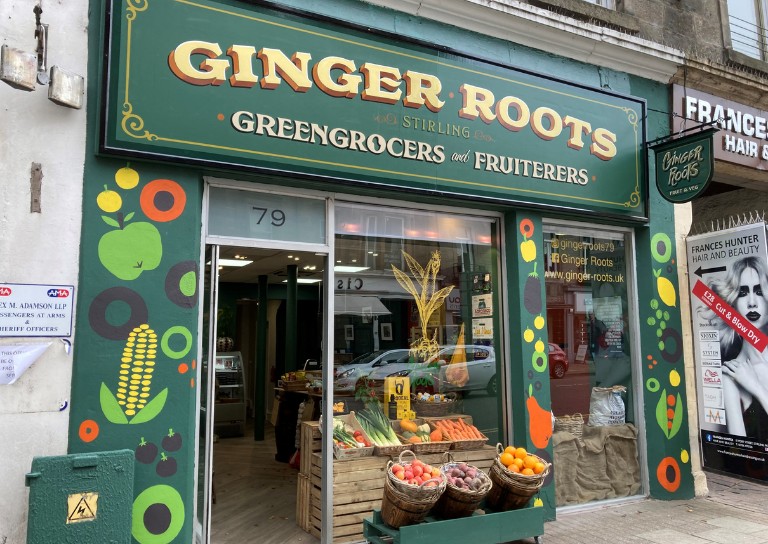
- Traditional Shopfronts in Stirling
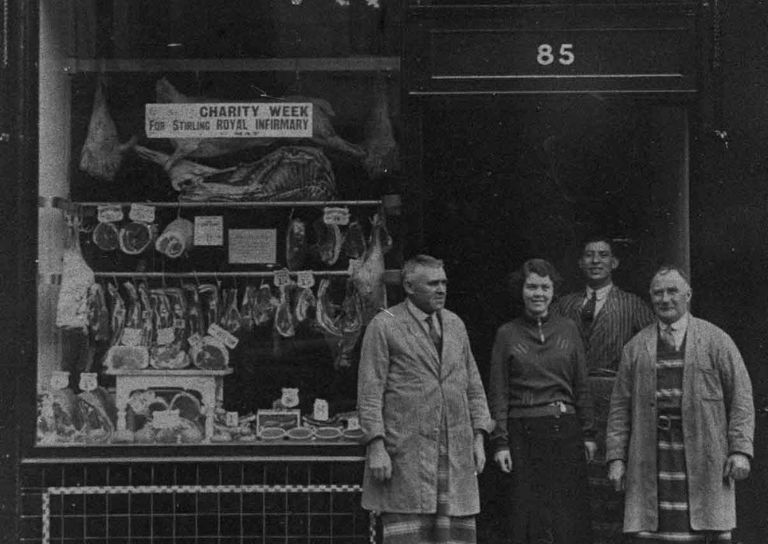
- Stirling History Books for World Book Day
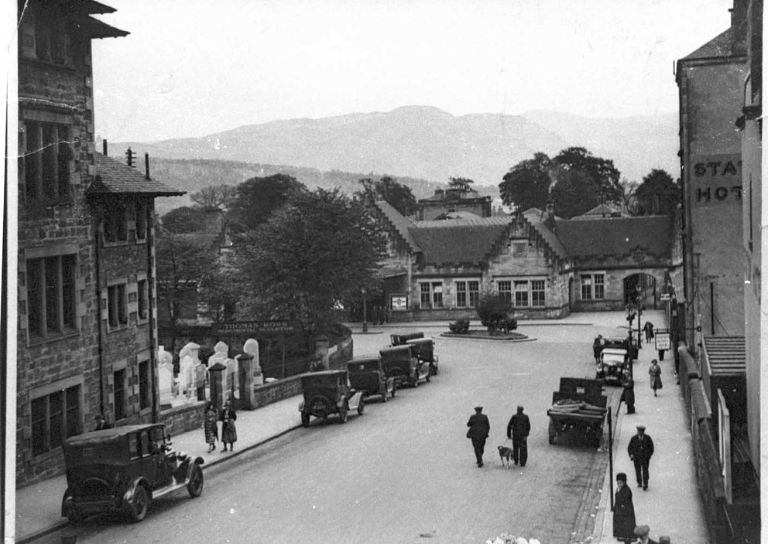
- My Favourite John Allan Building by Joe Hall
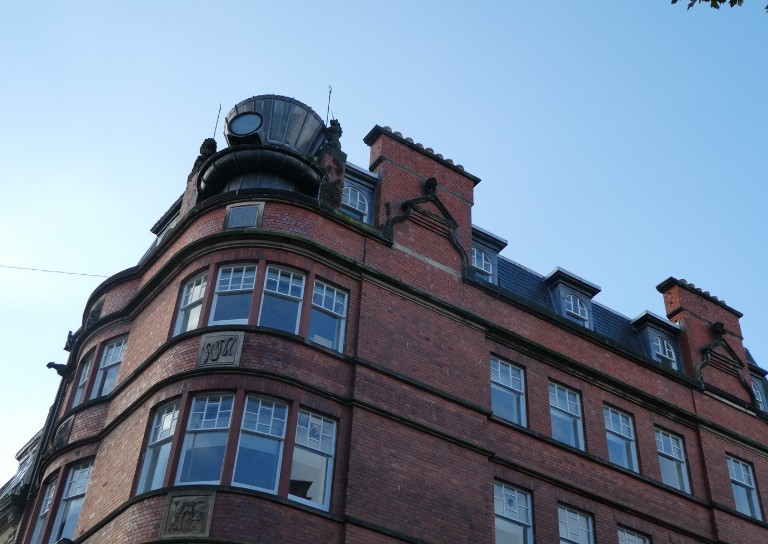
- My Favourite John Allan Building by Lindsay Lennie
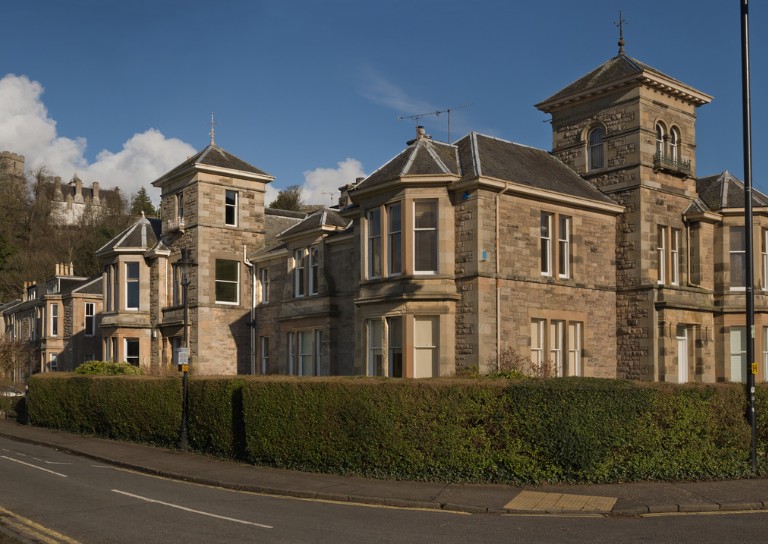
- My Favourite John Allan Building by Andy McEwan
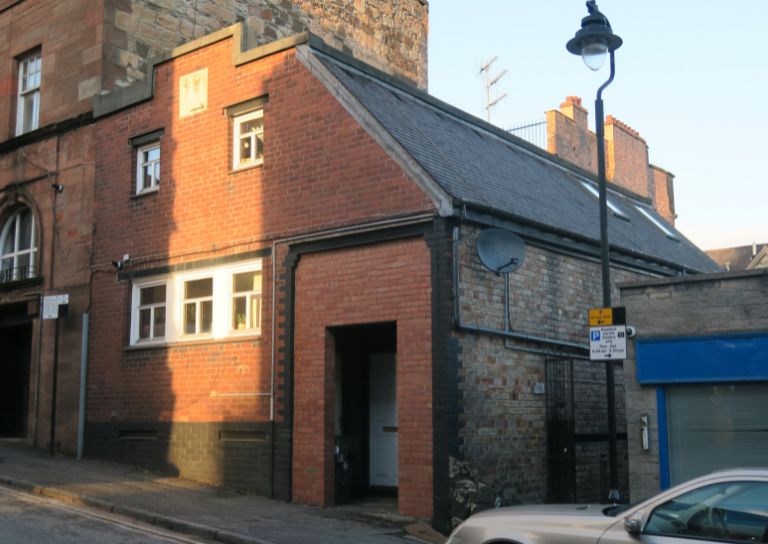
- My Favourite John Allan Building by Pam McNicol
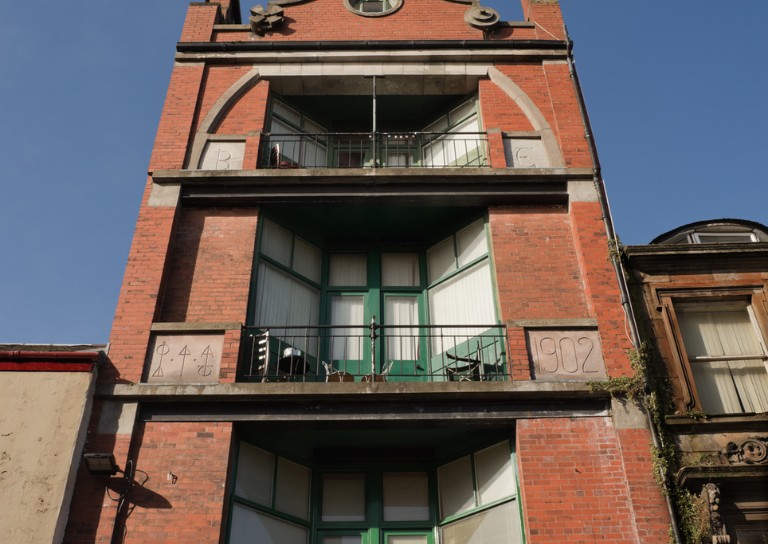
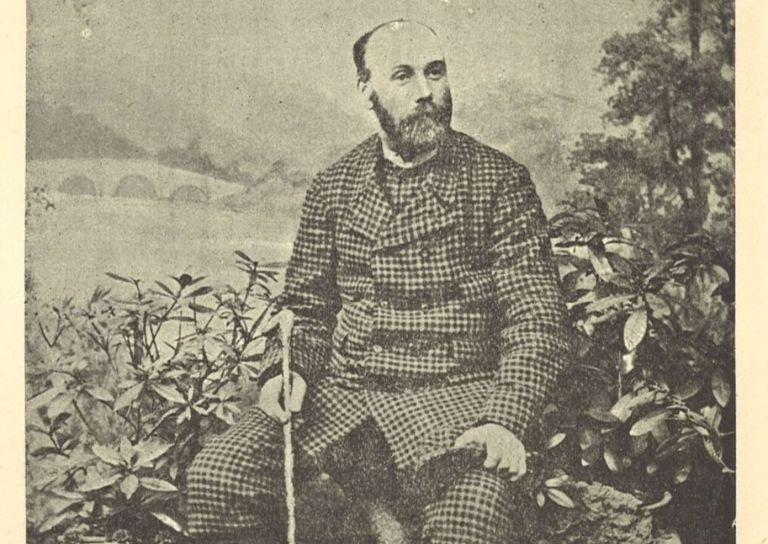
- Celebrating John Allan: A Man of Original Ideas
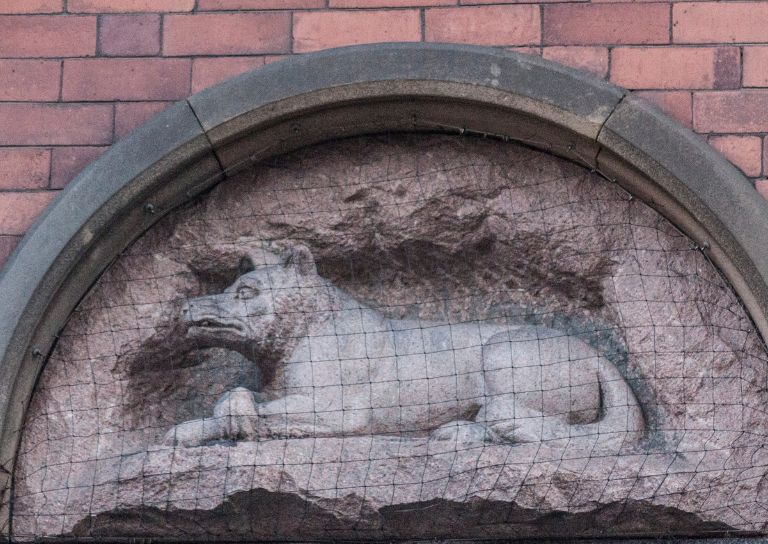
- The Tale of the Stirling Wolf
- Stirling: city of culture
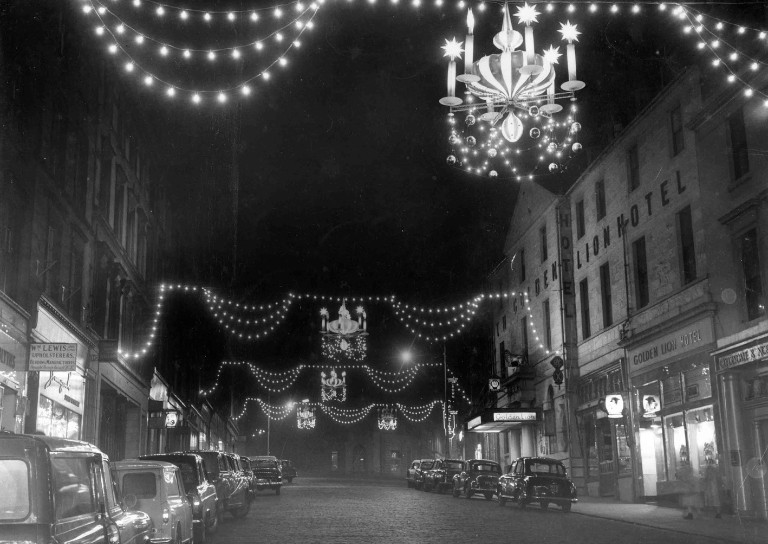
- Christmases Past in Stirling
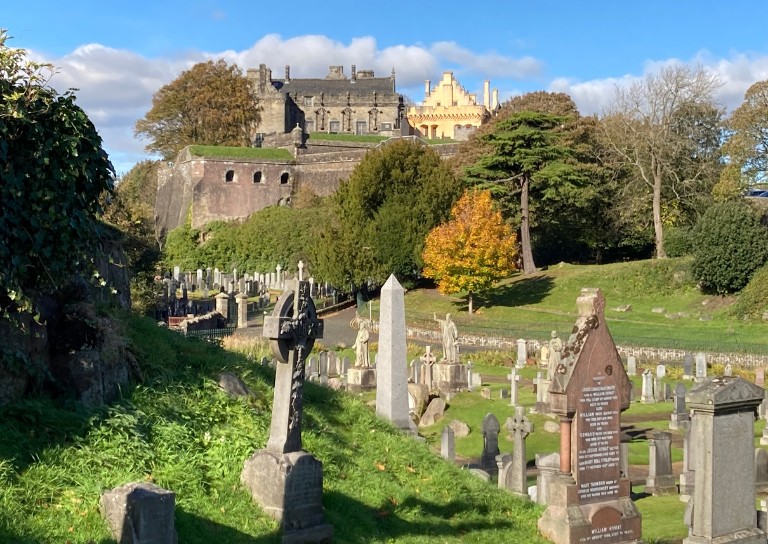
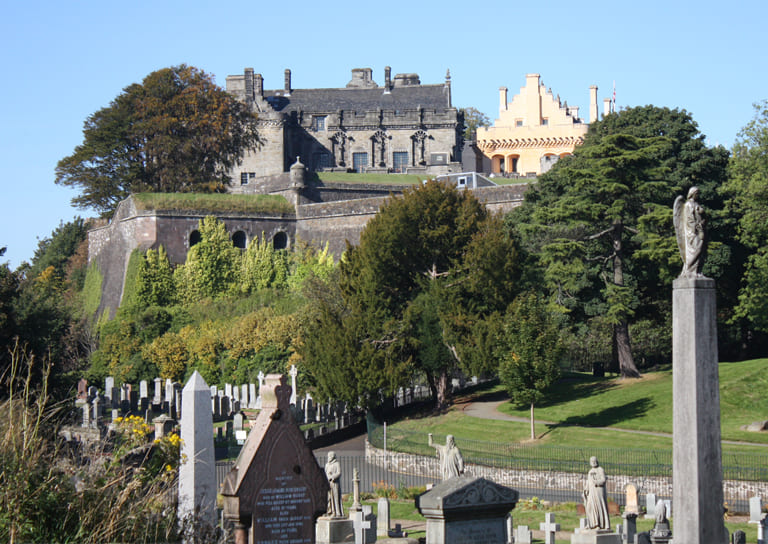
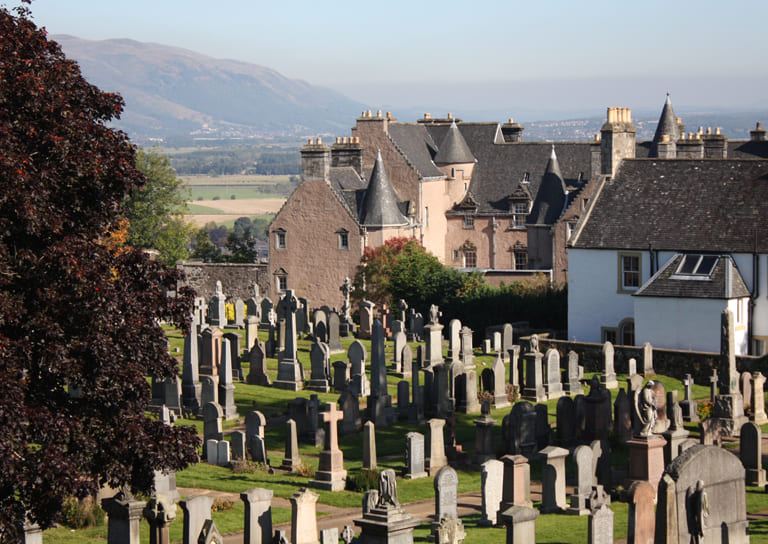
- Stirling’s Historic Graveyards
- Top 10 Tips for Architectural Photography
- An Interview with David Galletly
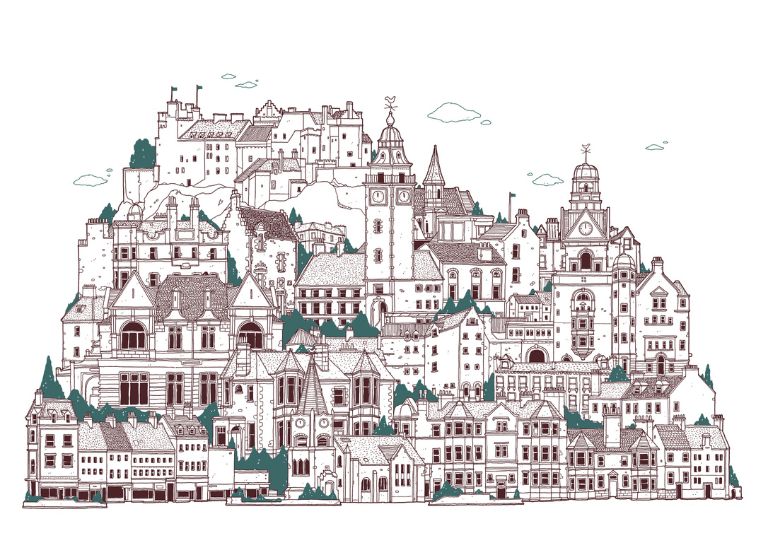
- Springtime in Stirling
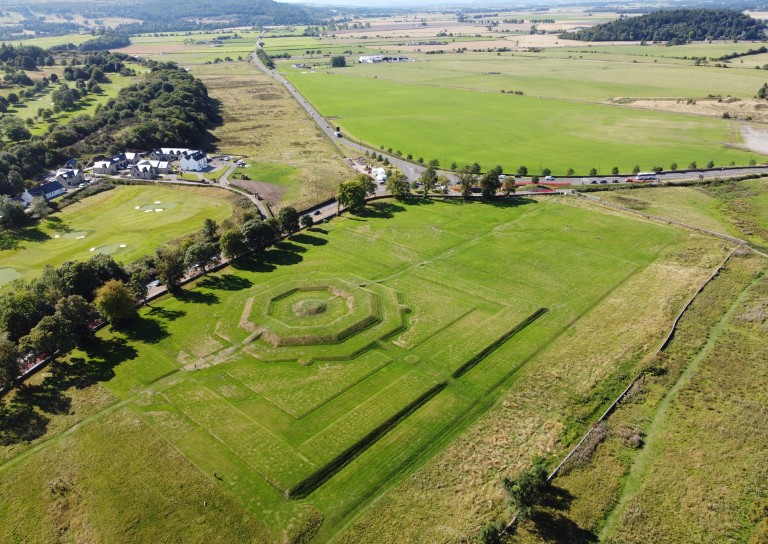
- The Kings Knot – a history
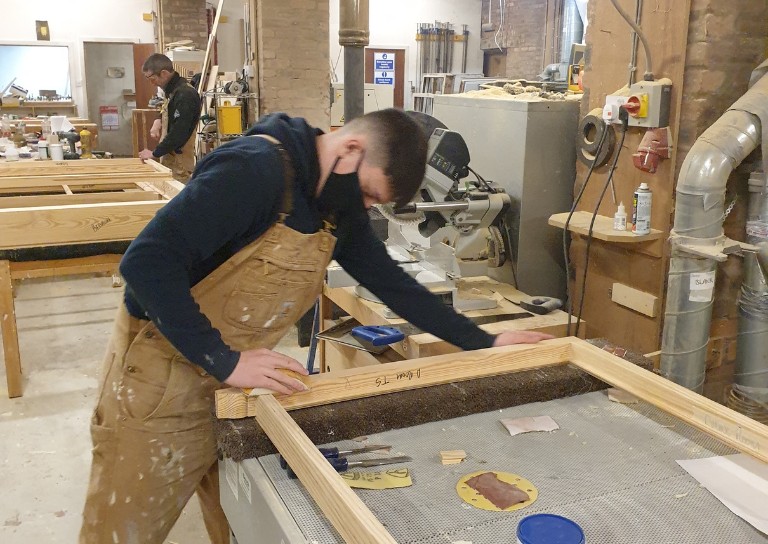
- A Future in Traditional Skills
- Robert Burns’ First Trip to Stirling
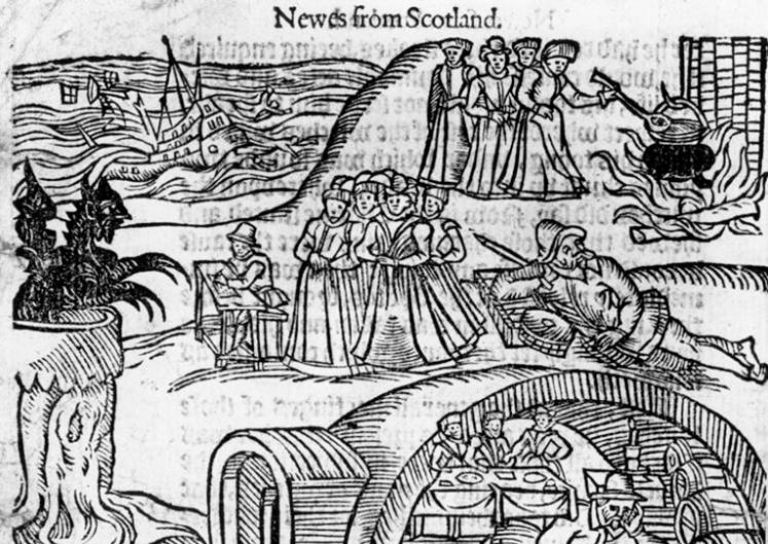
- Stirling’s Witches
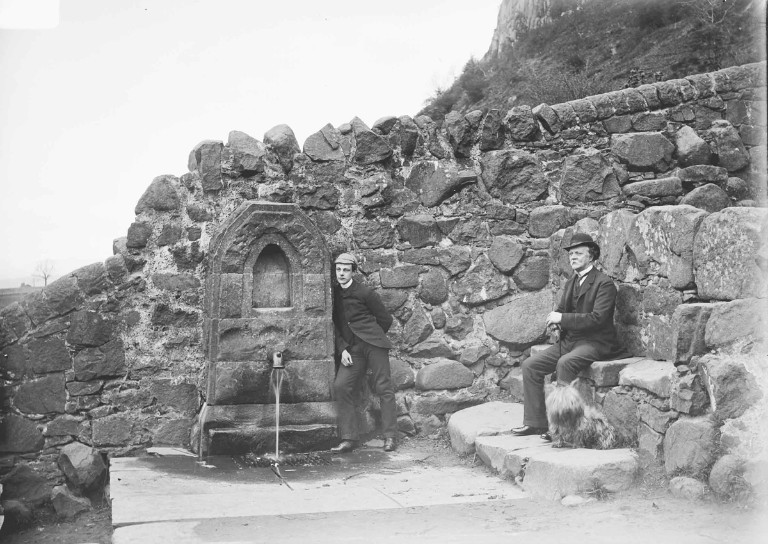
- Stirling’s Ancient Wells
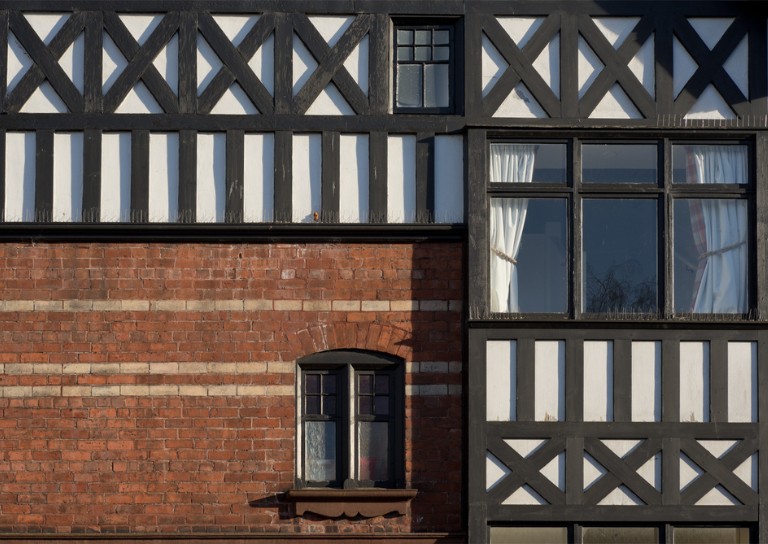
- An architecture student’s take on the City Of Stirling
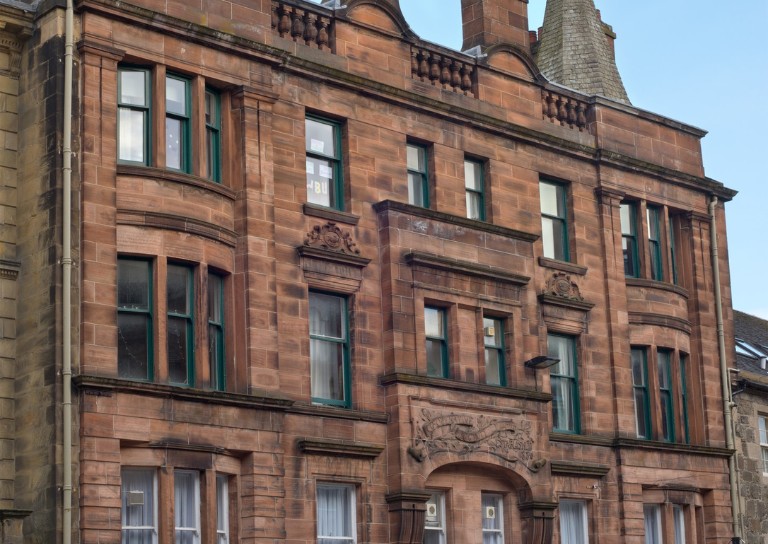
- Ronald Walker: Stirling’s Architect
- Stirling’s Statues
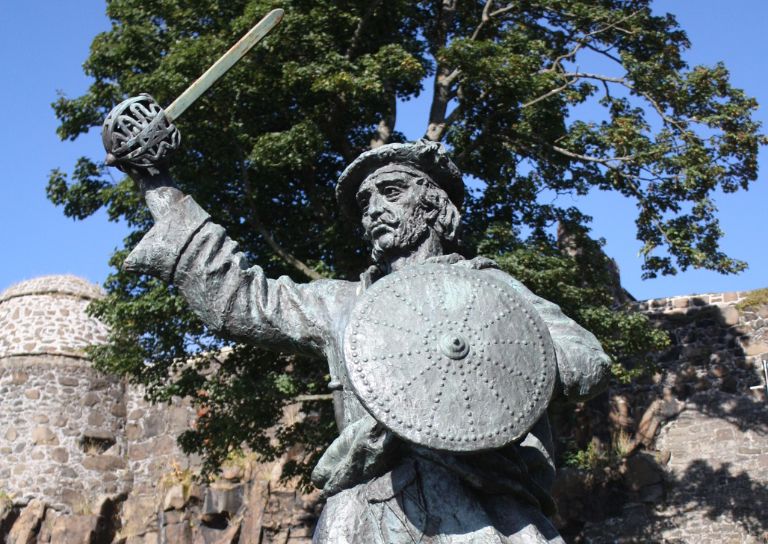
- Stirling’s Wee Bungalow Shops
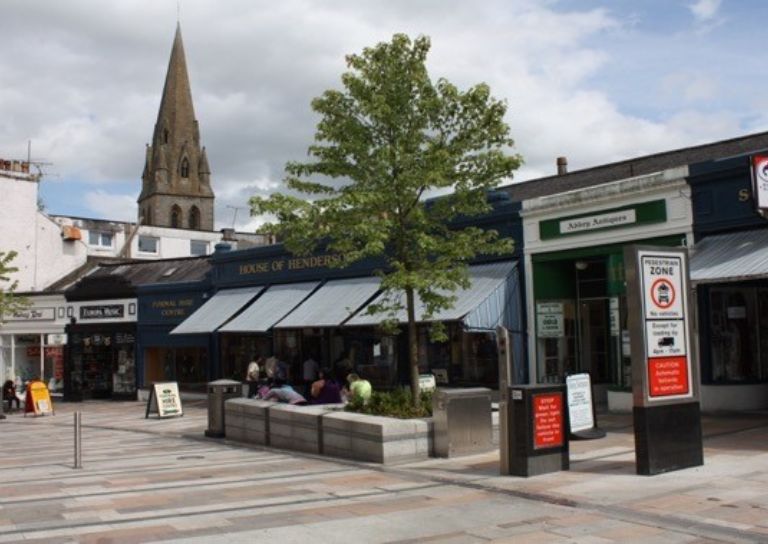
- Stirling’s Historic Hospitals
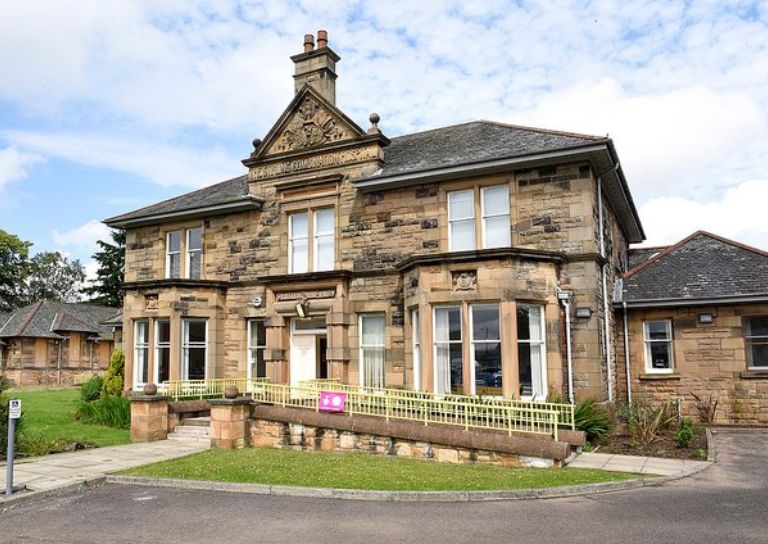
- Women in Digital Innovation and Construction
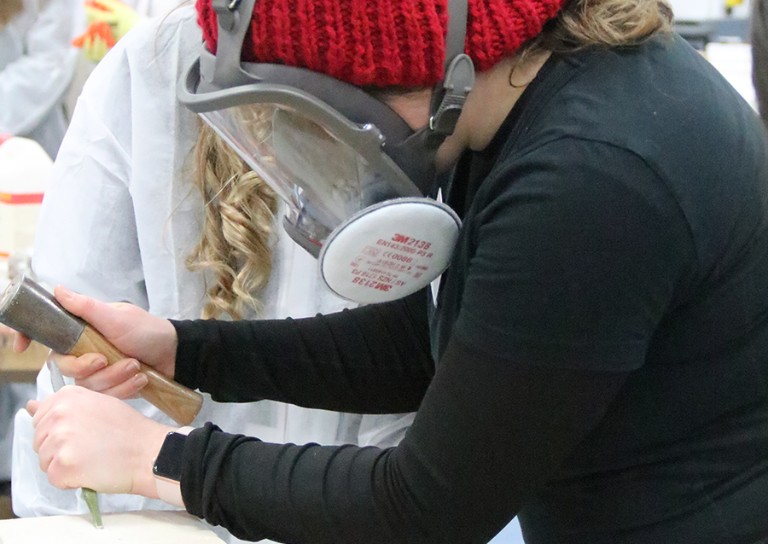
- Heritage at home: 8 of the best online heritage resources
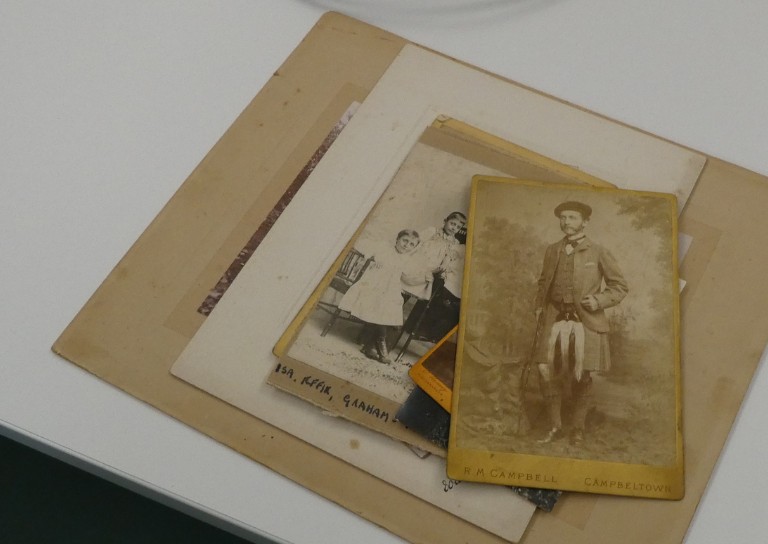
- Stirling featured at virtual heritage conference
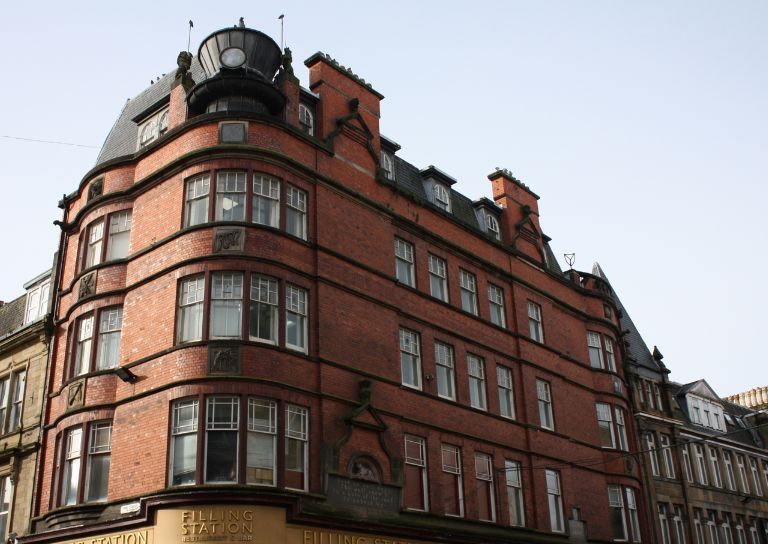
- Five of Stirling’s greatest John Allan buildings
- Women in Construction – Stirling event report
- Scotland’s trailblazing women architects
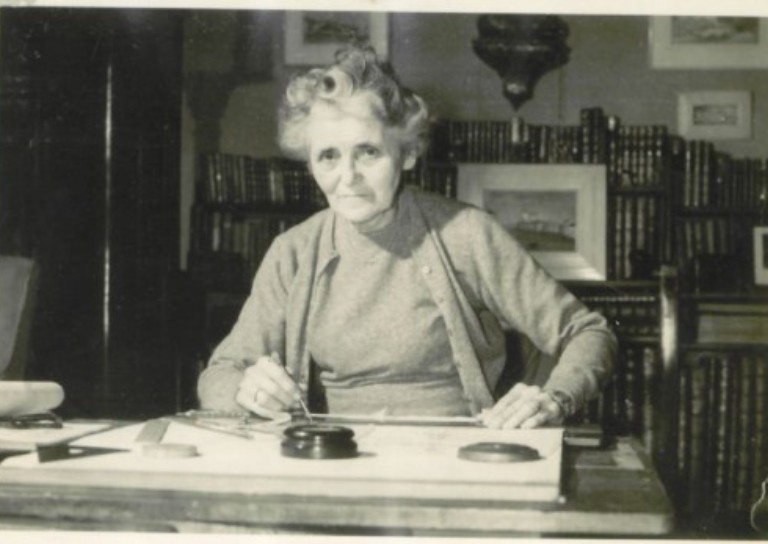
- Stirling’s Heritage: Spotlight on The Granary
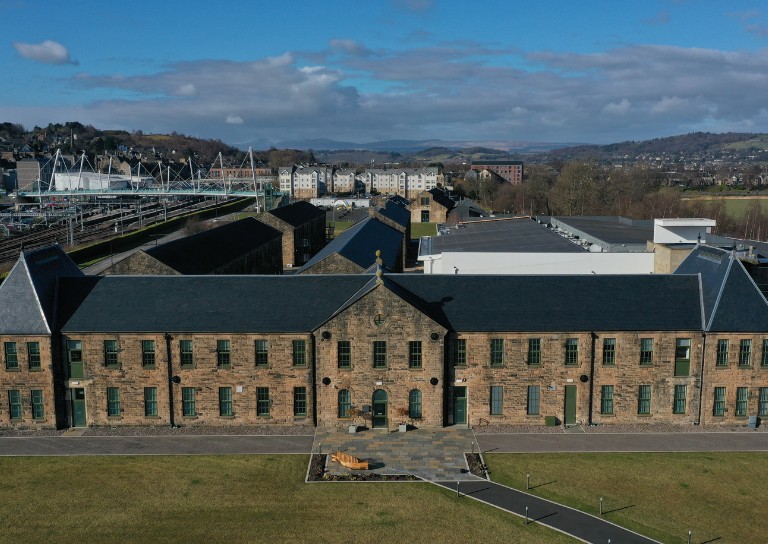
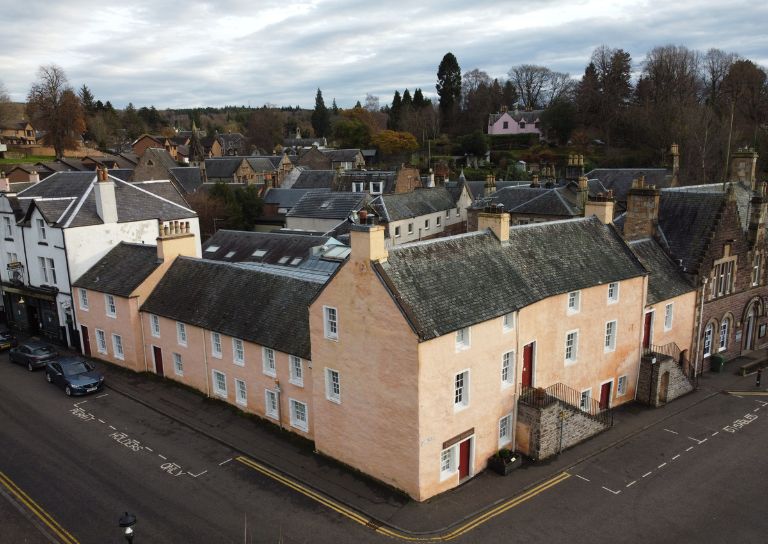
- TBHC Scheme now open to properties in Dunblane and Blairlogie
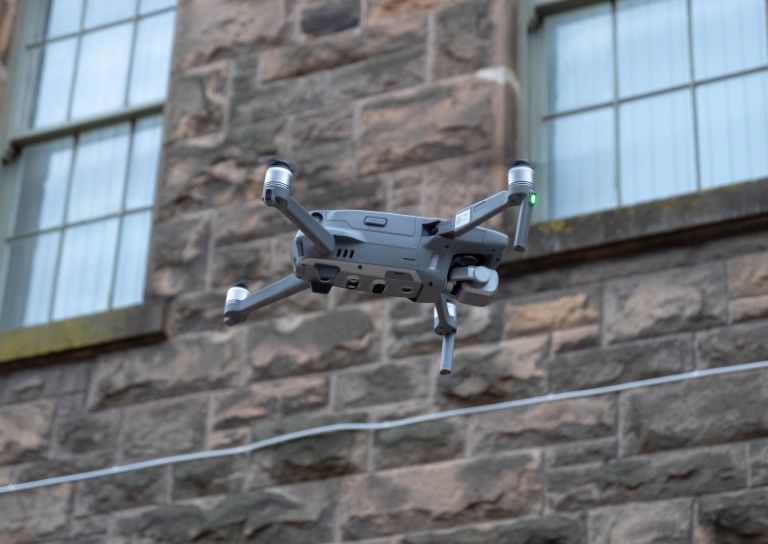
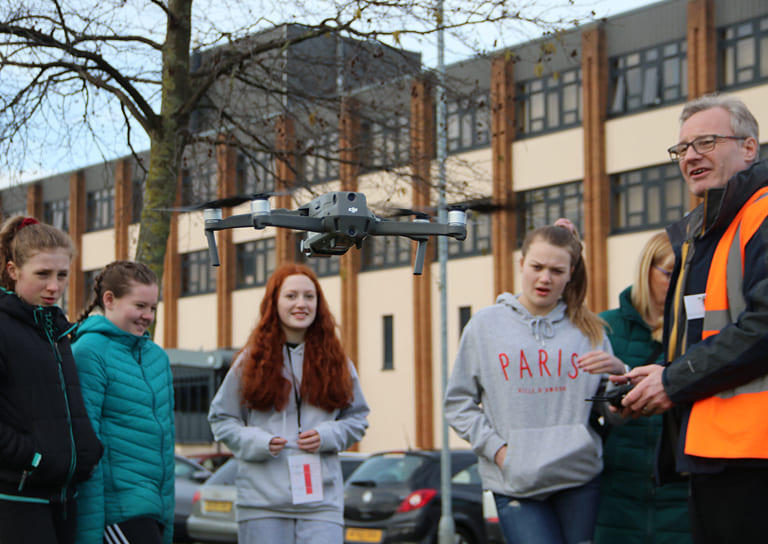
- How drones help us inspect traditional buildings
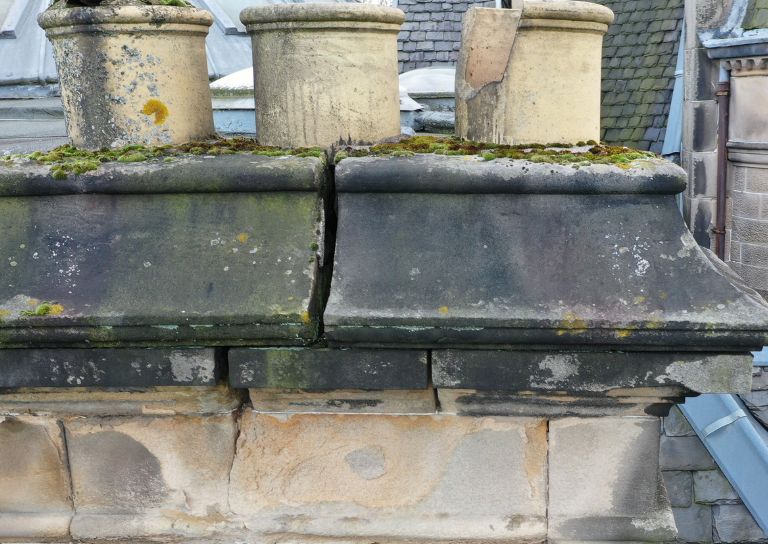
- Hazardous Masonry & Masonry Falls
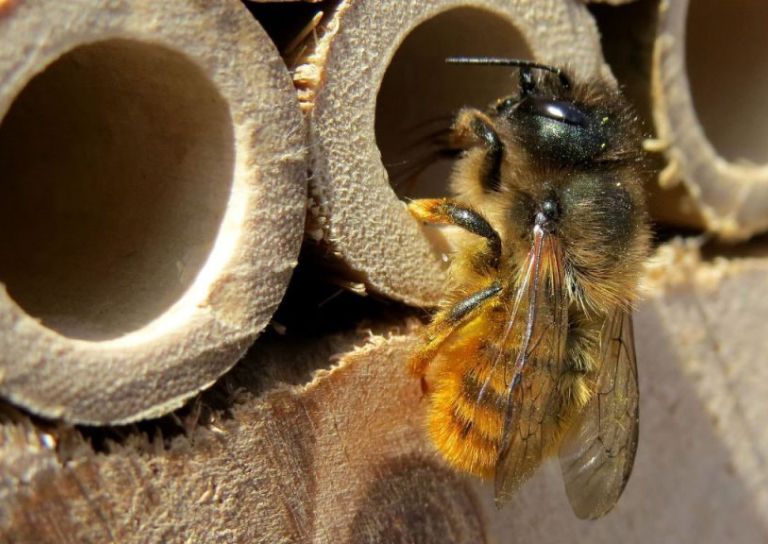
- Mason Bees: What’s the Buzz?
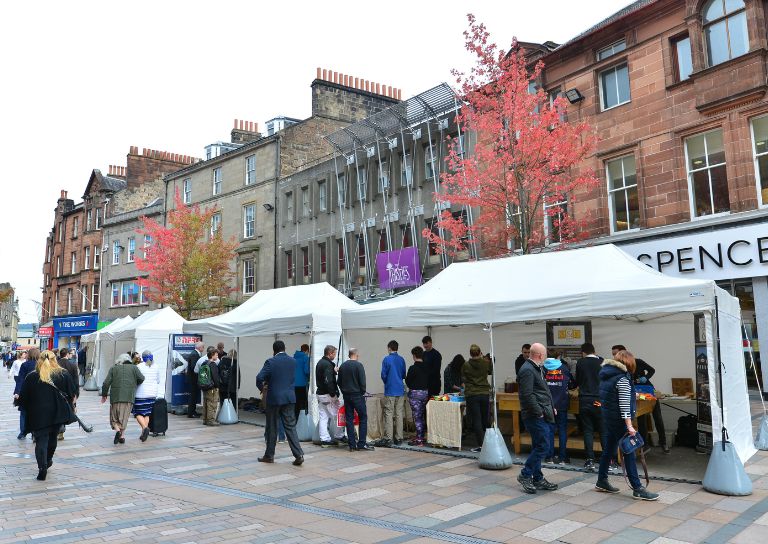
- Stirling Traditional Skills Demonstration Day Success!
- Floating Head Sculpture at Garden Glasgow Festival 1988
- About Us
- Support Us
- Contact





Close